CTOLITY XP1000 Portable Power Station vs Eaton 5P Gen2 5P1500RTNG2
Standardized 5-pillar engineering audit, thermal telemetry, verified longevity metrics, and complete technical specification diff.
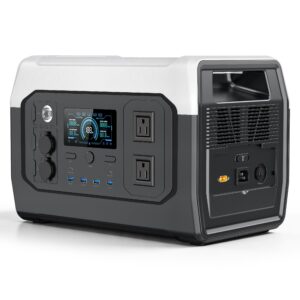
A resilient 1024Wh portable power unit pairing an 1800W pure sine inverter with thermally stable LiFePO4 chemistry and 16-layer BMS protection.
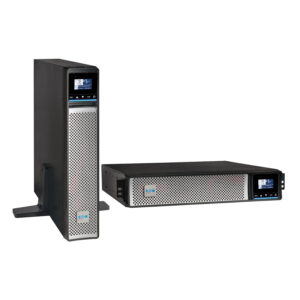
Full 1440 W unity power factor and bundled Gigabit network management establish an enterprise-grade line-interactive benchmark for 2U edge infrastructure.
Mizex Comparative Audit Verdict
5-Pillar Engineering Telemetry
Detailed comparison across standardized normalized 1.0 – 5.0 engineering pillars.
CTOLITY XP1000 Portable Power Station: Strengths & Caveats
- Robust 1800W continuous AC output paired with a 1024Wh capacity
- Durable LiFePO4 battery chemistry offering high thermal stability and extended cycle life
- Extensive multi-rail output architecture supporting up to 11 simultaneous devices
- Versatile recharge options across AC grid, solar panel, and 12V vehicle inputs
- Sustained 1800W full-load operation exhausts the 1024Wh capacity in under 40 minutes
- LiFePO4 cell chemistry has a lower gravimetric energy density compared to NMC alternatives
Eaton 5P Gen2 5P1500RTNG2: Strengths & Caveats
- Full unity power factor delivering 1440 W output matched to 1440 VA capacity
- Pre-installed NETWORK-M3 network management card for out-of-the-box remote administration
- Line-interactive topology with Automatic Voltage Regulation to mitigate voltage fluctuations
- Versatile 2U rackmount or tower form factor featuring 8 NEMA 5-15R receptacles
- Extended 9-hour recharge cycle required to achieve full battery capacity after deep discharge
Technical Specification Comparison
Side-by-side spec alignment. Rows highlighted with subtle shading denote differing specifications.
| Specification | CTOLITY XP1000 Portable Power Station | Eaton 5P Gen2 5P1500RTNG2 |
|---|---|---|
| Brand DIFF | CTOLITY | — |
| Model DIFF | XP1000 Portable Power Station | Eaton 5P Gen2 5P1500RTNG2 |
| Battery Capacity DIFF | 1024Wh | — |
| Continuous AC Output Power DIFF | 1800W | — |
| Battery Chemistry DIFF | LiFePO4 (Lithium Iron Phosphate) | — |
| Simultaneous Device Support DIFF | Up to 11 devices | — |
| Recharging Input Sources DIFF | AC Wall, Photovoltaic Solar, 12V Car Input | — |
| Battery Management System DIFF | 16-Layer BMS | — |
| Topology DIFF | — | Line-Interactive |
| Power Capacity (VA) DIFF | — | 1440 VA |
| Power Capacity (Watts) DIFF | — | 1440 W |
| Power Factor DIFF | — | 1.0 (Unity) |
| Nominal Input Voltage DIFF | — | 120 V |
| Form Factor DIFF | — | 2U Rackmount / Tower |
| Output Receptacles DIFF | — | 8 x NEMA 5-15R |
| Voltage Regulation DIFF | — | Automatic Voltage Regulation (AVR) |
| Recharge Time DIFF | — | 9 hours |
| Network Management DIFF | — | Pre-installed NETWORK-M3 card |
Need to evaluate a different configuration?
🔍 Compare Other Hardware