
- Supports the Wi-Fi 7 wireless standard for modern client compatibility
- BE6300 wireless speed class built for multi-device residential throughput
- Dual-band architecture keeps deployment straightforward for everyday home networks
- Clean reliability record with no active CPSC recalls or reported community defects
- Dual-band wireless layout omits a third frequency band, limiting spectrum separation under heavy congestion
- BE6300 class provides less aggregate wireless capacity than tri-band Wi-Fi 7 alternatives
Overview
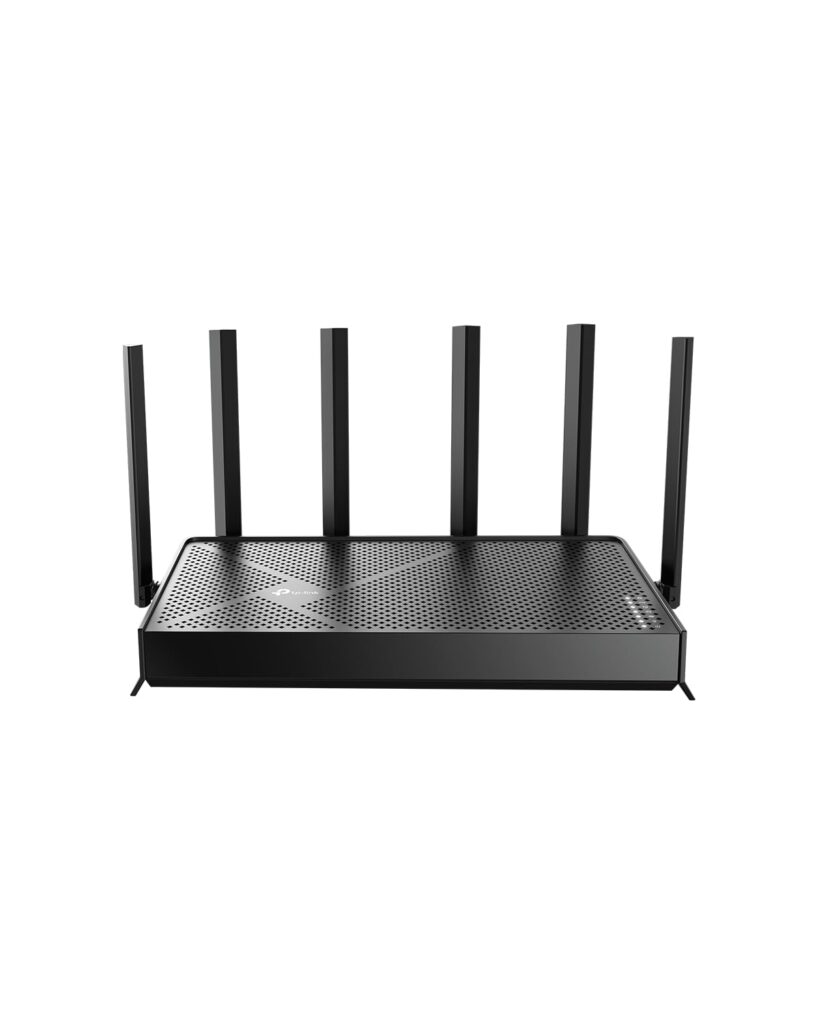
Bringing next-generation wireless connectivity to mainstream homes requires balancing modern protocol efficiency against practical network complexity. Built around the Wi-Fi 7 standard with a BE6300 wireless speed class, this router uses a dual-band architecture tailored for everyday residential deployments. Rather than chasing high-overhead tri-band layouts, it focuses on delivering contemporary Wi-Fi 7 throughput and multi-device responsiveness for typical household streaming, remote work, and smart-home traffic.
Stepping back from denser multi-band wireless designs also keeps the hardware profile approachable for living spaces and home offices. Operating with two active frequency bands reduces simultaneous radio demand compared to higher-tier multi-band units, supporting steady day-to-day thermal behavior during routine traffic loads. On the software side, a straightforward dual-band topology simplifies channel management and ongoing firmware upkeep, helping users maintain predictable connectivity without heavy manual tuning.
In real-world use, the dual-band BE6300 configuration represents a clear positioning choice. Households in crowded wireless environments or setups demanding a dedicated third band for heavy wireless backhaul will encounter natural spectrum limits compared to tri-band Wi-Fi 7 alternatives. For standard broadband homes upgrading from older wireless generations, however, its clean reliability profile and focused Wi-Fi 7 foundation offer a sensible, low-friction path forward.
Technical Specifications
| Brand | TP-Link |
| Model | Archer BE370 |
| Wi Fi Standard | Wi-Fi 7 |
| Wireless Speed Class | BE6300 |
| Frequency Bands | Dual-Band |
Primary Sources & Audited Citations
Recommended Alternatives in Networking & Routers
At a Glance
How reliable is the TP-Link Archer BE370 according to Mizex audits?
Choose the TP-Link Archer BE370 if you want a straightforward dual-band Wi-Fi 7 upgrade for everyday home networking and do not need a dedicated third band for high-density wireless backhaul.
What are the known quirks or drawbacks of the TP-Link Archer BE370?
Our reliability audit identified the following documented caveats:
- Dual-band wireless layout omits a third frequency band, limiting spectrum separation under heavy congestion
- BE6300 class provides less aggregate wireless capacity than tri-band Wi-Fi 7 alternatives
What are the key engineering highlights of the TP-Link Archer BE370?
The top strengths recorded in our evaluation include:
- Supports the Wi-Fi 7 wireless standard for modern client compatibility
- BE6300 wireless speed class built for multi-device residential throughput
- Dual-band architecture keeps deployment straightforward for everyday home networks
- Clean reliability record with no active CPSC recalls or reported community defects