
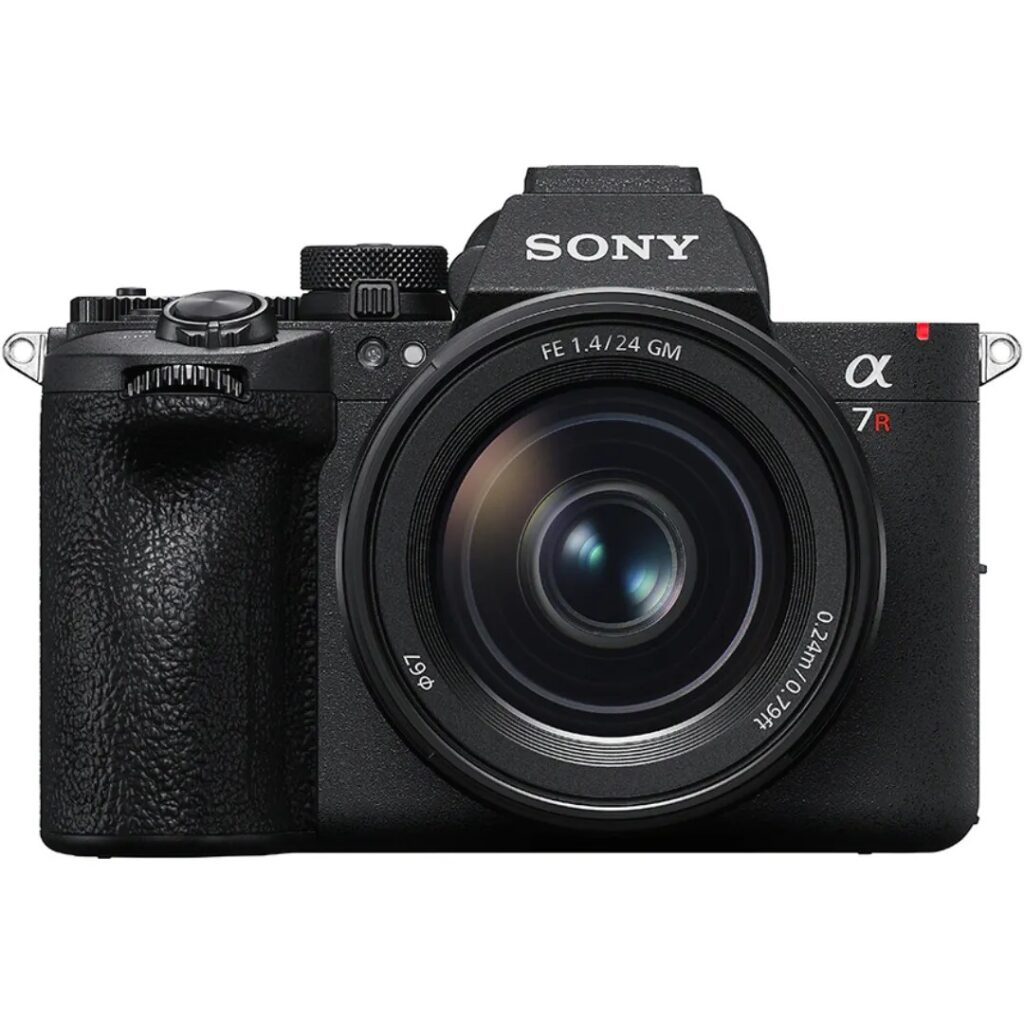
- Dual gain output below ISO 400 maximizes dynamic range and shadow recovery
- Smooth highlight-to-shadow gradations without harsh contrast clipping
- Neutral auto white balance rendering without warm color casts
- Full mechanical shutter eliminates flash photography background artifacts
- Lacks the high-speed burst capture and versatility of stacked-sensor architectures
Overview
Dual gain output circuitry activating below ISO 400 establishes a sensor pipeline optimized for extreme tonal subtlety and dynamic range rather than raw readout velocity. By pairing this low-ISO gain architecture with a dedicated full mechanical shutter mechanism, the camera produces smooth highlight-to-shadow gradations with controlled contrast response. Auto white balance processing has been tuned for neutral color accuracy, eliminating warm color casts to maintain authentic scene rendition straight from the sensor.
From a mechanical standpoint, deploying a true full mechanical shutter bypasses the background rendering distortion and bokeh truncation frequently triggered by electronic first-curtain shutter sync during flash photography. Passive thermal dissipation manages sensor heat buildup across extended studio shoots without requiring active cooling fans, while mechanical shutter dampening controls chassis vibration and operational acoustics. While specialized for resolution rather than the continuous burst speeds of stacked-sensor platforms, the hardware delivers rigorous exposure stability and optical consistency across demanding still workflows.
Technical Specifications
| Brand | Sony |
| Model | a7R VI |
| Sensor Architecture | Dual gain output active below ISO 400 |
| Shutter Mechanism | Full mechanical shutter |
| Flash Synchronization | Mechanical shutter artifact mitigation (EFCS-free) |
| Color Processing | Neutral-bias auto white balance |
| Platform Focus | High-resolution stills specialization |
Primary Sources & Audited Citations
Recommended Alternatives in Cameras & Photography

At a Glance
How reliable is the Sony a7R VI Review: Tonal Precision Over Stacked Velocity according to Mizex audits?
An uncompromising high-resolution camera tailored for studio and landscape photographers who prioritize dynamic range, clean color rendering, and artifact-free flash sync over stacked-sensor burst speeds.
What are the known quirks or drawbacks of the Sony a7R VI Review: Tonal Precision Over Stacked Velocity?
Our reliability audit identified the following documented caveats:
- Lacks the high-speed burst capture and versatility of stacked-sensor architectures
What are the key engineering highlights of the Sony a7R VI Review: Tonal Precision Over Stacked Velocity?
The top strengths recorded in our evaluation include:
- Dual gain output below ISO 400 maximizes dynamic range and shadow recovery
- Smooth highlight-to-shadow gradations without harsh contrast clipping
- Neutral auto white balance rendering without warm color casts
- Full mechanical shutter eliminates flash photography background artifacts