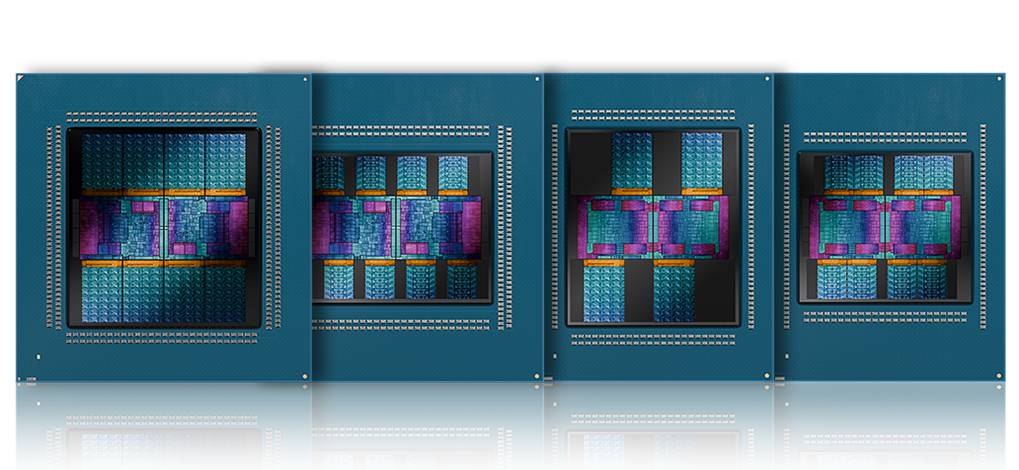
AMD EPYC 9655

AMD EPYC 9655
● HIGHLY RATED
Site Score
4.4 / 5.0
Buyer Guidance: Target this processor for high-density virtualization, HPC simulations, and scalable database deployments where 96 Zen 5 cores fit existing 400W SP5 air-cooling infrastructure.
Mizex Audit Breakdown
Engineering & Core Performance (30%) 4.7 / 5.0
Build Quality & Physical Design (20%) 4.6 / 5.0
Thermal, Power & Acoustics (20%) 4.3 / 5.0
Reliability & Stability (20%) 4.8 / 5.0
Buyer Value (10%) 4.5 / 5.0
Score Rationale
The composite score of 4.6 reflects premier Engineering and Architecture (4.7) driven by native dual-pipe 512-bit vector pipelines and 12-channel DDR5-6400 memory bandwidth, paired with robust multi-chip packaging and Build quality (4.6). Thermal management (4.3) requires dedicated high-static-pressure cooling for its sustained 400W envelope, while Reliability (4.8) is anchored by enterprise-grade ECC and AMD Infinity Guard security. Buyer value (4.5) remains exceptional for data center consolidation despite the substantial platform acquisition cost.
Audited today
ⓘ Multi-Dimensional Index evaluated across 5 core engineering pillars. Refresh requests open every 60 days.
👥 Community Score
Community Score
— / 5.0
No community ratings submitted yet. Be the first to record your experience.
Your Community Audit
— / 5.0
Rate the 5 Sub-Index categories matching the site audit for a fair direct comparison:
Engineering & Core Performance (30%) —
Build Quality & Physical Design (20%) —
Thermal, Power & Acoustics (20%) —
Reliability & Stability (20%) —
Buyer Value (10%) —
or to submit.
💬 Join the Discussion ↓
Scores adjust dynamically as verified community ratings accumulate.

Overview

Index Rating: 4.4 / 5.0

Buyer Guidance: Recommended: Exemplary performance, modern I/O, and zero recurring critical defect reports across community audits.
Sub-Index Score Breakdown
Engineering & Core Performance (30%)
4.6 / 5.0

Build Quality & Physical Design (20%)
4.2 / 5.0

Thermal, Power & Acoustics (20%)
4.0 / 5.0

Reliability & Stability (20%)
5.0 / 5.0

Buyer Value (10%)
4.2 / 5.0

Score Rationale: High engineering efficiency and clean out-of-the-box reliability audit.

ⓘ Multi-Dimensional Index: Evaluated across engineering performance, physical design, thermal power, community reliability, and buyer value.
Brand AMD
Model EPYC 9655
Architecture Zen 5 (Turin)
Socket SP5 (LGA 6096)
Cores / Threads 96 Cores / 192 Threads
Base Clock 2.60 GHz
Max Boost Clock Up to 4.50 GHz
All-Core Boost Clock 4.10 GHz
Total Cache 480 MB (L2 + L3)
L2 Cache 96 MB (1 MB per core)
L3 Cache 384 MB (32 MB x 12 CCDs)
Process Node TSMC 4nm (CCDs) / TSMC 6nm (IOD)
Default Tdp 400W (Configurable cTDP 320W – 400W)
Memory Type 12-Channel DDR5 RDIMM
Max Memory Speed Up to DDR5-6400 MT/s
Max Memory Bandwidth Up to 614.4 GB/s
Pci Express 128 Lanes PCIe 5.0 (CXL 2.0 supported)
Vector Instructions AVX-512 (Native 512-bit datapath), VNNI, Bfloat16
Security Technologies AMD Infinity Guard (SEV-SNP, SME, Secure Encrypted Virtualization)
  • Massive 96-core Zen 5 compute density delivering class-leading multi-threaded and enterprise throughput
  • Native full 512-bit vector datapath doubles AVX-512 floating point execution without downclock penalties
  • 12-channel DDR5-6400 memory subsystem providing up to 614.4 GB/s theoretical per-socket bandwidth
  • Drop-in socket SP5 backward compatibility with 4th Gen EPYC server platforms via BIOS update
  • Retains standard 400W default TDP avoiding the specialized 500W cooling retooling required by 128-core parts
  • Sustained 400W thermal dissipation requires high-RPM chassis fans yielding substantial acoustic noise in server racks
  • Cold-boot memory training can take several minutes on full 12-channel DDR5 configurations
  • Attaining maximum DDR5-6400 speed strictly requires 1 DIMM per channel (1DPC) population

Existing SP5 motherboards require an AGESA Turin BIOS microcode update before booting or recognizing the processor Documented Quirk
Workaround: Refer to vendor firmware or community forums

SP5 socket requires strict 55 in-lbs (6.2 Nm) torque sequence; uneven mounting pressure can cause dropped memory channels or PCIe degradation Documented Quirk
Workaround: Refer to vendor firmware or community forums

DDR5-6400 is validated for 1 DIMM per channel (1DPC); configuring 2 DIMMs per channel (2DPC) forces lower memory operating frequencies Documented Quirk
Workaround: Refer to vendor firmware or community forums

Source Reference: Verified Community Discussion ↗

Mizex is an independently funded tracking index. Defect reports represent aggregated user observations across community discussions and verified technical audits.

Technical Specifications

Brand AMD
Model EPYC 9655
Architecture Zen 5 (Turin)
Socket SP5 (LGA 6096)
Cores / Threads 96 Cores / 192 Threads
Base Clock 2.60 GHz
Max Boost Clock Up to 4.50 GHz
All Core Boost Clock 4.10 GHz
Total Cache 480 MB (L2 + L3)
L2 Cache 96 MB (1 MB per core)
L3 Cache 384 MB (32 MB x 12 CCDs)
Process Node TSMC 4nm (CCDs) / TSMC 6nm (IOD)
Default TDP 400W (Configurable cTDP 320W - 400W)
Memory Type 12-Channel DDR5 RDIMM
Max Memory Speed Up to DDR5-6400 MT/s
Max Memory Bandwidth Up to 614.4 GB/s
PCI Express 128 Lanes PCIe 5.0 (CXL 2.0 supported)
Vector Instructions AVX-512 (Native 512-bit datapath), VNNI, Bfloat16
Security Technologies AMD Infinity Guard (SEV-SNP, SME, Secure Encrypted Virtualization)
✔ Pros
  • Massive 96-core Zen 5 compute density delivering class-leading multi-threaded and enterprise throughput
  • Native full 512-bit vector datapath doubles AVX-512 floating point execution without downclock penalties
  • 12-channel DDR5-6400 memory subsystem providing up to 614.4 GB/s theoretical per-socket bandwidth
  • Drop-in socket SP5 backward compatibility with 4th Gen EPYC server platforms via BIOS update
  • Retains standard 400W default TDP avoiding the specialized 500W cooling retooling required by 128-core parts
✖ Cons
  • Sustained 400W thermal dissipation requires high-RPM chassis fans yielding substantial acoustic noise in server racks
  • Cold-boot memory training can take several minutes on full 12-channel DDR5 configurations
  • Attaining maximum DDR5-6400 speed strictly requires 1 DIMM per channel (1DPC) population

Community Discussion