Sony a7R VI vs Canon EOS R6 V
Standardized 5-pillar engineering audit, thermal telemetry, verified longevity metrics, and complete technical specification diff.
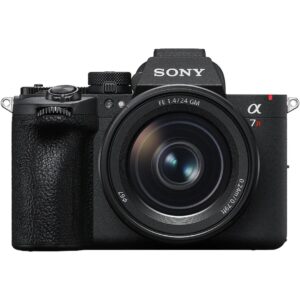
High-resolution imaging platform combining dual gain dynamic range below ISO 400 and full mechanical shutter stability, trading stacked burst speeds for pristine optical rendering.
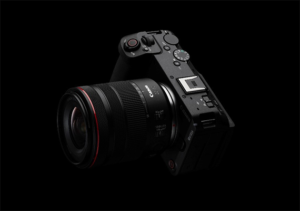
A specialized full-frame creator platform combining 7K open gate capture, active thermal management, and dual-axis mounting at the expense of an EVF and mechanical shutter.
Mizex Comparative Audit Verdict
5-Pillar Engineering Telemetry
Detailed comparison across standardized normalized 1.0 – 5.0 engineering pillars.
Sony a7R VI: Strengths & Caveats
- Dual gain output below ISO 400 maximizes dynamic range and shadow recovery
- Smooth highlight-to-shadow gradations without harsh contrast clipping
- Neutral auto white balance rendering without warm color casts
- Full mechanical shutter eliminates flash photography background artifacts
- Lacks the high-speed burst capture and versatility of stacked-sensor architectures
Canon EOS R6 V: Strengths & Caveats
- High-throughput 7K 60p recording with 7K 30p open gate capture
- Integrated active cooling system preventing thermal throttling during extended sessions
- Multi-axis in-body image stabilization paired with 32.5 MP stills at up to 40 fps
- Weather-sealed chassis with integrated dual-orientation tripod mounts
- Lacks an optical or electronic viewfinder, requiring continuous monitor reliance
- Absence of a mechanical shutter and anamorphic desqueeze support
- Omits professional production protocols including timecode sync and Canon XC
Technical Specification Comparison
Side-by-side spec alignment. Rows highlighted with subtle shading denote differing specifications.
| Specification | Sony a7R VI | Canon EOS R6 V |
|---|---|---|
| Brand DIFF | Sony | Canon |
| Model DIFF | a7R VI | EOS R6 V |
| Sensor Architecture DIFF | Dual gain output active below ISO 400 | — |
| Shutter Mechanism DIFF | Full mechanical shutter | Electronic only |
| Flash Synchronization DIFF | Mechanical shutter artifact mitigation (EFCS-free) | — |
| Color Processing DIFF | Neutral-bias auto white balance | — |
| Platform Focus DIFF | High-resolution stills specialization | — |
| Sensor Format DIFF | — | Full-frame |
| Effective Resolution DIFF | — | 32.5 MP |
| Burst Capture Speed DIFF | — | Up to 40 fps |
| Video Recording Modes DIFF | — | 7K 60p, 7K 30p open gate |
| Live Streaming Resolution DIFF | — | 4K 60p |
| Image Stabilization DIFF | — | In-body image stabilization (IBIS) |
| Thermal Solution DIFF | — | Active cooling system |
| Environmental Sealing DIFF | — | Weather-sealed body |
| Tripod Mounts DIFF | — | Dual-orientation (standard and vertical) |
Need to evaluate a different configuration?
🔍 Compare Other Hardware