Razer Viper V4 Pro vs Microsoft Surface Mouse (2nd Gen)
Standardized 5-pillar engineering audit, thermal telemetry, verified longevity metrics, and complete technical specification diff.
Cutting-edge 49g wireless engineering backed by a 50K optical sensor and optical switches, offset by loud switch ping and high-frequency polling jitter.
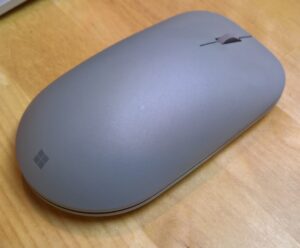
Solid-state capacitive and haptic actuation eliminates switch fatigue, delivering a whisper-quiet, durable peripheral with Bluetooth 6.0 multi-device support.
Mizex Comparative Audit Verdict
5-Pillar Engineering Telemetry
Detailed comparison across standardized normalized 1.0 – 5.0 engineering pillars.
Razer Viper V4 Pro: Strengths & Caveats
- Ultra-lightweight 49g solid shell construction with zero external perforations
- Class-leading Focus Pro 50K Gen-3 sensor with 930 IPS tracking and 90G acceleration
- Exceptional battery life reaching up to 180 hours on standard polling rates
- Optical switches and optical scroll wheel encoder eliminate double-click degradation
- Acoustically loud, hollow click pitch from primary switch actuation
- Minor lateral shell creak under firm grip squeeze pressure
- Timing jitter outliers present during aggressive swipe tests at 8000 Hz
Microsoft Surface Mouse (2nd Gen): Strengths & Caveats
- Solid-state capacitive and pressure sensors eliminate mechanical microswitch wear and double-click defects
- Internal haptic engine provides customizable tactile feedback with minimal acoustic disruption
- Bluetooth 6.0 connectivity enables stable, seamless multi-device switching
- Up to six months of operational runtime on standard AAA cells
- Relies on disposable AAA batteries instead of an integrated USB-C rechargeable cell
- Higher launch price ($79.99) compared to predecessor generations
- Haptic adjustment and Action Button remapping require the dedicated Microsoft Surface application
Technical Specification Comparison
Side-by-side spec alignment. Rows highlighted with subtle shading denote differing specifications.
| Specification | Razer Viper V4 Pro | Microsoft Surface Mouse (2nd Gen) |
|---|---|---|
| Brand DIFF | Razer | Microsoft |
| Model DIFF | Razer Viper V4 Pro | Microsoft Surface Mouse (2nd Gen) |
| Sensor DIFF | Focus Pro 50K Gen-3 Optical Sensor | — |
| Max Dpi DIFF | 50000 | — |
| Polling Rate Hz DIFF | 8000 | — |
| Tracking Speed Ips DIFF | 930 | — |
| Acceleration G DIFF | 90 | — |
| Switch Type DIFF | Razer Optical Mouse Switches Gen-4 | — |
| Scroll Wheel Encoder DIFF | Razer Optical Scroll Wheel | — |
| Shape DIFF | Symmetrical | — |
| Hand Orientation DIFF | Right | — |
| Number Of Side Buttons DIFF | 2 | — |
| Connectivity DIFF | 2.4GHz Wireless, USB-C | — |
| Battery Life Hours DIFF | 180 | — |
| Weight Grams DIFF | 49 | — |
| Dimensions Mm DIFF | 127.1 x 63.9 x 39.9 | — |
| Skate Material DIFF | 100% PTFE | — |
| Form Factor DIFF | — | Ambidextrous |
| Actuation Technology DIFF | — | Capacitive touch and pressure sensors with haptic force feedback |
| Haptic Engine DIFF | — | Integrated vibration motor in shell hump with adjustable intensity |
| Connectivity DIFF | — | Bluetooth 6.0 |
| Multi Device Pairing DIFF | — | Simultaneous multi-device connection |
| Battery Type DIFF | — | 2x AAA batteries |
| Battery Runtime DIFF | — | Up to 6 months |
| Buttons DIFF | — | Touch/click surface with customizable Action Button (default Copilot) |
| Sustainable Materials DIFF | — | 30% recycled content |
| Available Finishes DIFF | — | Black, Platinum |
| Configuration Interface DIFF | — | Microsoft Surface app |
Need to evaluate a different configuration?
🔍 Compare Other Hardware