PECRON E2400LFP vs Anker SOLIX C1000 Gen 2
Standardized 5-pillar engineering audit, thermal telemetry, verified longevity metrics, and complete technical specification diff.
A capable 2,048Wh modular power station with rapid 9.8ms UPS switching and high-output DC delivery, compromised by heavy-load inverter thermal saturation and sub-80% AC efficiency.
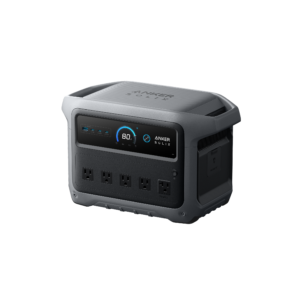
A powerful 2,000 W portable power station with rapid 1,600 W AC charging and durable LiFePO4 cells, tempered by loud active cooling fans and the removal of modular battery expansion.
Mizex Comparative Audit Verdict
5-Pillar Engineering Telemetry
Detailed comparison across standardized normalized 1.0 – 5.0 engineering pillars.
PECRON E2400LFP: Strengths & Caveats
- Rapid 9.8ms UPS crossover with self-arming inverter capability
- High-efficiency 400W XT60 DC output delivering up to 90% usable capacity
- Modular storage expandable up to 8,192Wh using auxiliary expansion batteries
- Long-life UL-certified LiFePO4 cells rated for 3,500 cycles
- Prone to thermal strain and overheating under sustained 2,400W continuous loads
- AC inverter efficiency drops to roughly 75% under heavy load
- Waveform distortion sits near the upper threshold of acceptable tolerances
Anker SOLIX C1000 Gen 2: Strengths & Caveats
- High continuous output of 2,000 W with 3,000 W surge capability
- Ultra-fast 1,600 W AC input enables full recharge in under one hour
- Long-lifespan LiFePO4 battery chemistry with 1,024 Wh capacity
- Reduced chassis weight of 25.2 lbs (11.3 kg) enhances field portability
- Loud cooling fan noise during sustained load and fast charging
- Expansion battery port removed, eliminating external pack support
- Integrated chassis LED light bar has been omitted
Technical Specification Comparison
Side-by-side spec alignment. Rows highlighted with subtle shading denote differing specifications.
| Specification | PECRON E2400LFP | Anker SOLIX C1000 Gen 2 |
|---|---|---|
| Brand DIFF | PECRON | Anker |
| Model DIFF | E2400LFP | SOLIX C1000 Gen 2 |
| Battery Capacity DIFF | 2,048Wh | 1,024 Wh |
| Usable Capacity DIFF | 1,700Wh | — |
| Battery Chemistry DIFF | LiFePO4 (UL certified) | LiFePO4 |
| Lifecycle Rating DIFF | 3,500 cycles (to 80% capacity) | — |
| Continuous AC Output DIFF | 2,400W | 2,000 W |
| Surge / Peak AC Output DIFF | 4,300W | — |
| AC Input Power DIFF | 1,800W | — |
| Solar Input DIFF | 800W (32–95V MPPT) | — |
| DC Output DIFF | 400W XT60 | — |
| UPS Crossover Time DIFF | 9.8ms | — |
| Expandable Capacity Max DIFF | 8,192Wh | — |
| Weight DIFF | 45 lbs (20.4 kg) | 25.2 lbs (11.3 kg) |
| Surge Power Output DIFF | — | 3,000 W |
| Standard AC Input DIFF | — | 1,200 W |
| Ultra Fast AC Input DIFF | — | 1,600 W |
| Recharge Time DIFF | — | Under 1 hour |
| Display DIFF | — | LCD display |
| Battery Expansion Support DIFF | — | No |
| Integrated LED Light DIFF | — | No |
Need to evaluate a different configuration?
🔍 Compare Other Hardware