Intel Core Ultra 7 265K Review: Tile Architecture Meets Thermal Discipline vs NVIDIA Vera CPU Superchip Review: Deterministic Spatial Multithreading For AI Systems
Standardized 5-pillar engineering audit, thermal telemetry, verified longevity metrics, and complete technical specification diff.
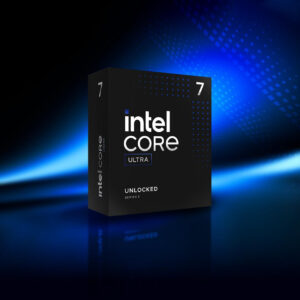
Intel Core Ultra 7 265K
Tile Architecture Meets Thermal Discipline
A calculated architectural pivot to TSMC 3nm compute tiles and disciplined thermals, counterbalanced by gaming trade-offs and mandatory platform replacement.
NVIDIA Vera CPU Superchip
Deterministic Spatial Multithreading For AI Systems
An advanced datacenter CPU architecture delivering 88 Olympus cores with deterministic hardware-partitioned Spatial Multithreading for high-throughput AI systems.
Mizex Comparative Audit Verdict
5-Pillar Engineering Telemetry
Detailed comparison across standardized normalized 1.0 – 5.0 engineering pillars.
Intel Core Ultra 7 265K Review: Tile Architecture Meets Thermal Discipline: Strengths & Caveats
- Noticeable thermal and efficiency improvements with an 88°C peak load temperature over Raptor Lake predecessors
- 20-core hybrid architecture with Lion Cove P-cores reaching boost frequencies up to 5.5 GHz
- Integrated Intel Xe LPG graphics provide capable onboard display and media processing
- Disciplined power profile capped at a 250W maximum turbo ceiling
- Requires a mandatory motherboard upgrade due to the LGA 1851 socket transition
- Trails competing processors in discrete-GPU gaming workloads
- Omits Hyper-Threading support, restricting total thread count to physical core count at 20 threads
NVIDIA Vera CPU Superchip Review: Deterministic Spatial Multithreading For AI Systems: Strengths & Caveats
- Spatial Multithreading (SMT) physically partitions execution resources for predictable, low-jitter agentic AI performance
- High compute density featuring 88 Olympus cores per socket and up to 352 threads across dual-socket deployments
- Standard Linux sysfs interface enables dynamic runtime toggling of multithreading behavior
- Empirical operational temperatures, power draw, and acoustic profiles remain pending production retail teardown
- Restricted to specialized enterprise server ecosystems and custom high-density platform infrastructure
Technical Specification Comparison
Side-by-side spec alignment. Rows highlighted with subtle shading denote differing specifications.
| Specification | Intel Core Ultra 7 265K Review: Tile Architecture Meets Thermal Discipline | NVIDIA Vera CPU Superchip Review: Deterministic Spatial Multithreading For AI Systems |
|---|---|---|
| Brand DIFF | Intel | NVIDIA |
| Model DIFF | Core Ultra 7 265K | NVIDIA Vera CPU Superchip |
| Architecture Codename DIFF | Arrow Lake-S | — |
| Socket DIFF | LGA 1851 | — |
| Compute Tile Lithography DIFF | TSMC 3nm | — |
| Total Physical Cores DIFF | 20 | — |
| Performance Cores DIFF | 8 (Lion Cove) | — |
| Efficiency Cores DIFF | 12 (Skymont) | — |
| Total Threads DIFF | 20 | — |
| Base Clock Frequency DIFF | 3.9 GHz | — |
| P Core Boost Clock Frequency DIFF | 5.5 GHz | — |
| E Core Boost Clock Frequency DIFF | 4.6 GHz | — |
| L3 Cache DIFF | 30 MB | — |
| Base Power (TDP) DIFF | 125 W | — |
| Maximum Turbo Power (MTP) DIFF | 250 W | — |
| Integrated Graphics DIFF | Intel Xe LPG | — |
| Graphics Base Frequency DIFF | 300 MHz | — |
| Unlocked Multiplier DIFF | 1 | — |
| Peak Operating Temperature DIFF | 88°C | — |
| Core Architecture DIFF | — | Olympus |
| Core Count DIFF | — | 88 |
| Threads Per Core DIFF | — | 2 |
| Total Threads Single Socket DIFF | — | 176 |
| Dual Socket Cores DIFF | — | 176 |
| Dual Socket Threads DIFF | — | 352 |
| Multithreading Technology DIFF | — | Spatial Multithreading (SMT) |
| Runtime Smt Control DIFF | — | Linux sysfs interface supported |
| Hardware Category DIFF | — | CPUs / Processors |
| Device Category DIFF | — | components |
Need to evaluate a different configuration?
🔍 Compare Other Hardware