Intel Core Ultra 7 265K Review: Tile Architecture Meets Thermal Discipline vs AMD Ryzen 7 7700X3D Review: Vertical V-Cache Under Sibling Shadow
Standardized 5-pillar engineering audit, thermal telemetry, verified longevity metrics, and complete technical specification diff.
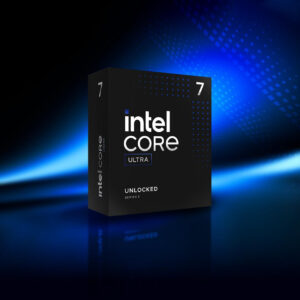
Intel Core Ultra 7 265K
Tile Architecture Meets Thermal Discipline
A calculated architectural pivot to TSMC 3nm compute tiles and disciplined thermals, counterbalanced by gaming trade-offs and mandatory platform replacement.

AMD Ryzen 7 7700X3D
Vertical V-Cache Under Sibling Shadow
An 8-core AM5 processor featuring 96MB of stacked 3D V-Cache that delivers dependable gaming efficiency but faces stiff competition from the higher-clocked 7800X3D.
Mizex Comparative Audit Verdict
5-Pillar Engineering Telemetry
Detailed comparison across standardized normalized 1.0 – 5.0 engineering pillars.
Intel Core Ultra 7 265K Review: Tile Architecture Meets Thermal Discipline: Strengths & Caveats
- Noticeable thermal and efficiency improvements with an 88°C peak load temperature over Raptor Lake predecessors
- 20-core hybrid architecture with Lion Cove P-cores reaching boost frequencies up to 5.5 GHz
- Integrated Intel Xe LPG graphics provide capable onboard display and media processing
- Disciplined power profile capped at a 250W maximum turbo ceiling
- Requires a mandatory motherboard upgrade due to the LGA 1851 socket transition
- Trails competing processors in discrete-GPU gaming workloads
- Omits Hyper-Threading support, restricting total thread count to physical core count at 20 threads
AMD Ryzen 7 7700X3D Review: Vertical V-Cache Under Sibling Shadow: Strengths & Caveats
- Massive 96MB L3 cache via 3D V-Cache technology tailored for cache-sensitive gaming workloads
- Built on the power-efficient 5nm Zen 4 architecture with 8 cores and 16 threads
- Integrated AMD Radeon Graphics provides onboard display output without a discrete GPU
- Delivers lower gaming performance compared to the sibling Ryzen 7 7800X3D
- Ships without an included thermal solution, requiring an aftermarket CPU cooler for its 120W TDP
Technical Specification Comparison
Side-by-side spec alignment. Rows highlighted with subtle shading denote differing specifications.
| Specification | Intel Core Ultra 7 265K Review: Tile Architecture Meets Thermal Discipline | AMD Ryzen 7 7700X3D Review: Vertical V-Cache Under Sibling Shadow |
|---|---|---|
| Brand DIFF | Intel | AMD |
| Model DIFF | Core Ultra 7 265K | Ryzen 7 7700X3D |
| Architecture Codename DIFF | Arrow Lake-S | — |
| Socket DIFF | LGA 1851 | Socket AM5 |
| Compute Tile Lithography DIFF | TSMC 3nm | — |
| Total Physical Cores DIFF | 20 | — |
| Performance Cores DIFF | 8 (Lion Cove) | — |
| Efficiency Cores DIFF | 12 (Skymont) | — |
| Total Threads DIFF | 20 | — |
| Base Clock Frequency DIFF | 3.9 GHz | — |
| P Core Boost Clock Frequency DIFF | 5.5 GHz | — |
| E Core Boost Clock Frequency DIFF | 4.6 GHz | — |
| L3 Cache DIFF | 30 MB | 96 MB |
| Base Power (TDP) DIFF | 125 W | — |
| Maximum Turbo Power (MTP) DIFF | 250 W | — |
| Integrated Graphics DIFF | Intel Xe LPG | AMD Radeon Graphics |
| Graphics Base Frequency DIFF | 300 MHz | — |
| Unlocked Multiplier DIFF | 1 | — |
| Peak Operating Temperature DIFF | 88°C | — |
| Architecture DIFF | — | Zen 4 |
| Codename DIFF | — | Raphael |
| Process Node DIFF | — | 5nm |
| Core Count DIFF | — | 8 |
| Thread Count DIFF | — | 16 |
| Base Clock DIFF | — | 4.0 GHz |
| L2 Cache DIFF | — | 8 MB |
| TDP DIFF | — | 120 W |
| Memory Support DIFF | — | DDR5 |
| Cooling Solution DIFF | — | Not included |
Need to evaluate a different configuration?
🔍 Compare Other Hardware