HyperRender RX 550 4GB GDDR5 vs MSI GeForce RTX 3060 Ventus 2X 12G OC V1
Standardized 5-pillar engineering audit, thermal telemetry, verified longevity metrics, and complete technical specification diff.
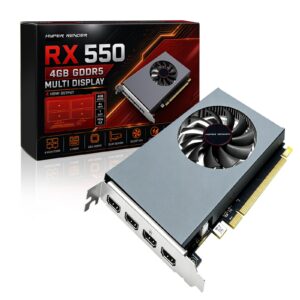
An ultra-efficient 50W slot-powered graphics solution delivering robust 4K HEVC decoding and triple-display flexibility for legacy and compact systems.
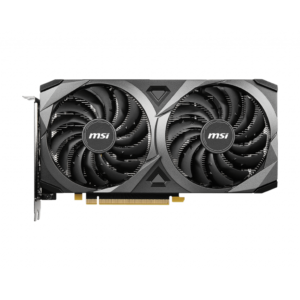
A well-balanced Ampere mid-tier graphics card combining a generous 12 GB GDDR6 frame buffer with a compact dual-fan TORX 3.0 cooling assembly.
Mizex Comparative Audit Verdict
5-Pillar Engineering Telemetry
Detailed comparison across standardized normalized 1.0 – 5.0 engineering pillars.
HyperRender RX 550 4GB GDDR5: Strengths & Caveats
- 50W typical board power operates entirely via PCIe slot without auxiliary power cables
- Dedicated 4K HEVC hardware decoding alongside DisplayPort 1.4 and HDMI 2.0 outputs
- Native support for modern graphics APIs including DirectX 12, Vulkan, and AMD FreeSync
- 512 stream processors limit 3D gaming performance to light esports and legacy titles
MSI GeForce RTX 3060 Ventus 2X 12G OC V1: Strengths & Caveats
- Substantial 12 GB GDDR6 memory allocation on a 192-bit interface provides superior VRAM headroom
- Factory-overclocked boost clock of 1807 MHz delivers out-of-the-box performance uplift
- TORX Fan 3.0 dual-fan cooling design balances static pressure and downward airflow
- Comprehensive display interface options including three DisplayPort 1.4a ports and one HDMI 2.1 port supporting 4K@120Hz
- Dual-fan cooler offers less heatsink surface area than larger triple-fan implementations
- Sustaining higher factory boost clocks relies on adequate chassis intake airflow in compact enclosures
Technical Specification Comparison
Side-by-side spec alignment. Rows highlighted with subtle shading denote differing specifications.
| Specification | HyperRender RX 550 4GB GDDR5 | MSI GeForce RTX 3060 Ventus 2X 12G OC V1 |
|---|---|---|
| Brand DIFF | HyperRender | MSI |
| Model DIFF | RX 550 4GB GDDR5 | GeForce RTX 3060 Ventus 2X 12G OC V1 |
| GPU Architecture DIFF | AMD Polaris (4th Gen GCN) | — |
| GPU Die DIFF | Polaris 12 | — |
| Process Node DIFF | 14nm FinFET | — |
| Stream Processors DIFF | 512 | — |
| Memory Capacity DIFF | 4 GB | 12 GB |
| Memory Type DIFF | GDDR5 | GDDR6 |
| Memory Bus Width DIFF | 128-bit | — |
| Bus Interface DIFF | PCI Express 3.0 | PCI Express 4.0 |
| Typical Board Power DIFF | 50W | — |
| Power Delivery DIFF | PCIe slot powered (no auxiliary connectors) | — |
| Display Outputs DIFF | DisplayPort 1.4, HDMI 2.0, DVI | 3x DisplayPort 1.4a, 1x HDMI 2.1 |
| Hardware Video Decoding DIFF | 4K HEVC | — |
| API Support DIFF | DirectX 12, Vulkan, AMD FreeSync | — |
| GPU DIFF | — | NVIDIA GeForce RTX 3060 |
| Architecture DIFF | — | NVIDIA Ampere |
| CUDA Cores DIFF | — | 3584 |
| Boost Clock DIFF | — | 1807 MHz |
| Memory Interface DIFF | — | 192-bit |
| Cooling Design DIFF | — | Dual Fan Thermal Design with TORX Fan 3.0 |
Need to evaluate a different configuration?
🔍 Compare Other Hardware