Side-by-Side Comparison
GPD Win Max 3 vs Nintendo Switch 2
Standardized 5-pillar engineering audit, thermal telemetry, verified longevity metrics, and complete technical specification diff.
★ Recommended Winner
▲ DOCUMENTED QUIRKS
Composite Score:
4.3
/ 5.0
A highly capable handheld gaming PC that delivers console-level performance with robust engineering, though acoustic output is significant under load.
▲ DOCUMENTED QUIRKS
Composite Score:
3.8
/ 5.0
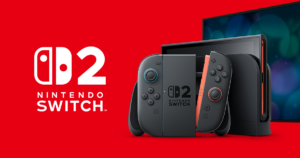
Potent Ampere-powered hybrid console compromised by kickstand structural fragility and lingering rail tolerance play.
⚖️
Mizex Comparative Audit Verdict
The GPD Win Max 3 earns the higher Mizex Composite Score (4.3 vs 3.8), leading across 5 of 5 engineering pillars. With superior ratings in Engineering & Architecture, Build Quality & Materials, Thermal, Power & Acoustics, Real-World Reliability, Buyer Value & Upgrades, it represents the superior reliability choice.
5-Pillar Engineering Telemetry
Detailed comparison across standardized normalized 1.0 – 5.0 engineering pillars.
GPD Win Max 3
Nintendo Switch 2
Engineering & Architecture
(30%)
Winner: GPD Win Max 3 (+0.3)
4.5
4.2
Build Quality & Materials
(20%)
Winner: GPD Win Max 3 (+0.7)
4.3
3.6
Thermal, Power & Acoustics
(20%)
Winner: GPD Win Max 3 (+0.4)
4.1
3.7
Real-World Reliability
(20%)
Winner: GPD Win Max 3 (+0.7)
4.4
3.7
Buyer Value & Upgrades
(10%)
Winner: GPD Win Max 3 (+0.2)
4.0
3.8
GPD Win Max 3: Strengths & Caveats
✔ Advantages
- Delivers console-level gaming performance with high frame rates in demanding titles like Apex Legends and Forza Horizon 5.
- Features a premium aluminum chassis that is durable and highly portable for travel.
- Includes Thunderbolt 3 connectivity and Gigabit Ethernet for versatile external display and network options.
✖ Documented Caveats
- Acoustic noise levels increase significantly during high-performance gaming sessions due to dense internal component layout.
- Battery life is constrained by the high power draw of the integrated graphics solution under load.
- Thermal performance relies on aggressive fan curves that may disturb users in quiet environments.
Nintendo Switch 2: Strengths & Caveats
✔ Advantages
- Custom NVIDIA Ampere-based GMLX30-A1 SoC delivers modern mobile graphics architecture
- Joy-Con attachment mechanism provides a tighter fit than the previous generation
- Compact motherboard and cooling system packaging optimizes internal volume
✖ Documented Caveats
- Fragile rear kickstand design presents a high risk of mechanical breakage
- Attached Joy-Con controllers still demonstrate noticeable tolerance wobble
- Teardown inspection revealed reused thermal paste application on pre-release hardware
Technical Specification Comparison
Side-by-side spec alignment. Rows highlighted with subtle shading denote differing specifications.
| Specification | GPD Win Max 3 | Nintendo Switch 2 |
|---|---|---|
| Brand DIFF | GPD | Nintendo |
| Model DIFF | GPD Win Max 3 | Nintendo Switch 2 |
| Processor DIFF | AMD Ryzen AI Max+ 395 / AMD Ryzen AI Max+ 388 | — |
| Graphics DIFF | AMD Radeon 8060S | — |
| Display Resolution DIFF | 1920x1200 | — |
| Battery Capacity DIFF | 55Wh | — |
| Connectivity DIFF | Thunderbolt 3, Gigabit Ethernet | — |
| Storage Type DIFF | NVMe/PCIe SSD | — |
| Form Factor DIFF | — | Hybrid video game console |
| SoC DIFF | — | Custom NVIDIA GMLX30-A1 |
| GPU Architecture DIFF | — | NVIDIA Ampere |
| Controllers DIFF | — | Joy-Con 2 |
| Manufacturing Partner DIFF | — | Foxconn |
| Board Architecture DIFF | — | High-density compact motherboard |
| Cooling Design DIFF | — | Integrated compact active thermal sub-assembly |
Need to evaluate a different configuration?
🔍 Compare Other Hardware