
- Custom NVIDIA Ampere-based GMLX30-A1 SoC delivers modern mobile graphics architecture
- Joy-Con attachment mechanism provides a tighter fit than the previous generation
- Compact motherboard and cooling system packaging optimizes internal volume
- Fragile rear kickstand design presents a high risk of mechanical breakage
- Attached Joy-Con controllers still demonstrate noticeable tolerance wobble
- Teardown inspection revealed reused thermal paste application on pre-release hardware
Overview
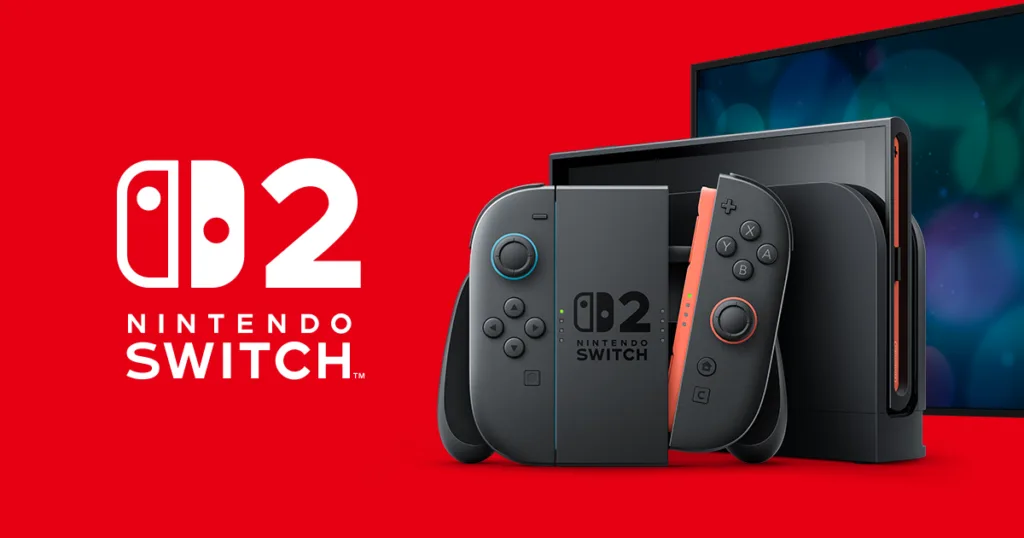
The Nintendo Switch 2 represents a significant generational architecture update for Nintendo’s hybrid console ecosystem, centering on a custom NVIDIA GMLX30-A1 processor built on NVIDIA’s Ampere graphics architecture. Manufactured by Foxconn, the platform incorporates a redesigned mainboard and revised Joy-Con 2 physical interface rails aimed at modernizing portable and docked gaming throughput while maintaining the signature modular form factor.
Hardware teardown analysis highlights critical physical design trade-offs and tolerance variances. Although the revised Joy-Con mounting rails provide a perceptibly tighter fit than the original generation, early physical units still exhibit noticeable lateral wobble when controllers are locked into the console chassis. More concerning from a chassis longevity perspective is a fragile rear kickstand design that exhibits high risk of structural breakage under stress, accompanied by teardown observations of reused thermal compound on the compact internal cooling sub-assembly.
Because comprehensive acoustic sound pressure readings, idle-to-load power draw metrics, and sustained thermal ceiling benchmarks remain pending retail hardware lab validation, thermal and acoustic evaluations are constrained to structural layout observations. Early indications point to a potent mobile computing architecture, though mechanical tolerances and hinge durability present clear engineering compromises that prospective users must account for.
Technical Specifications
| Brand | Nintendo |
| Model | Nintendo Switch 2 |
| Form Factor | Hybrid video game console |
| SoC | Custom NVIDIA GMLX30-A1 |
| GPU Architecture | NVIDIA Ampere |
| Controllers | Joy-Con 2 |
| Manufacturing Partner | Foxconn |
| Board Architecture | High-density compact motherboard |
| Cooling Design | Integrated compact active thermal sub-assembly |
Primary Sources & Audited Citations
Recommended Alternatives in Handhelds & Consoles

At a Glance
How reliable is the Nintendo Switch 2 Review: Ampere Power Compromised By Flimsy Build according to Mizex audits?
While the custom Ampere-based silicon delivers a substantial architectural leap, early buyers should be wary of kickstand fragility and lingering Joy-Con attachment play.
What are the known quirks or drawbacks of the Nintendo Switch 2 Review: Ampere Power Compromised By Flimsy Build?
Our reliability audit identified the following documented caveats:
- Fragile rear kickstand design presents a high risk of mechanical breakage
- Attached Joy-Con controllers still demonstrate noticeable tolerance wobble
- Teardown inspection revealed reused thermal paste application on pre-release hardware
What are the key engineering highlights of the Nintendo Switch 2 Review: Ampere Power Compromised By Flimsy Build?
The top strengths recorded in our evaluation include:
- Custom NVIDIA Ampere-based GMLX30-A1 SoC delivers modern mobile graphics architecture
- Joy-Con attachment mechanism provides a tighter fit than the previous generation
- Compact motherboard and cooling system packaging optimizes internal volume