CTOLITY XP1000 Portable Power Station vs Anker SOLIX S2000
Standardized 5-pillar engineering audit, thermal telemetry, verified longevity metrics, and complete technical specification diff.
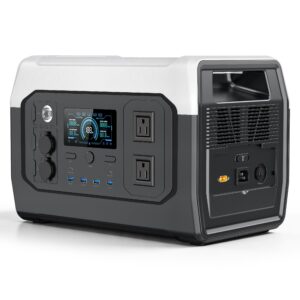
A resilient 1024Wh portable power unit pairing an 1800W pure sine inverter with thermally stable LiFePO4 chemistry and 16-layer BMS protection.
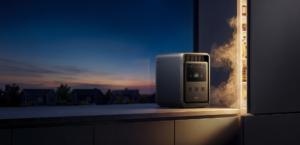
An exceptionally durable and portable 2,010 Wh backup station pairing 10,000-cycle LFP cells and 10ms UPS switching with a conservative 1,500W continuous inverter ceiling.
Mizex Comparative Audit Verdict
5-Pillar Engineering Telemetry
Detailed comparison across standardized normalized 1.0 – 5.0 engineering pillars.
CTOLITY XP1000 Portable Power Station: Strengths & Caveats
- Robust 1800W continuous AC output paired with a 1024Wh capacity
- Durable LiFePO4 battery chemistry offering high thermal stability and extended cycle life
- Extensive multi-rail output architecture supporting up to 11 simultaneous devices
- Versatile recharge options across AC grid, solar panel, and 12V vehicle inputs
- Sustained 1800W full-load operation exhausts the 1024Wh capacity in under 40 minutes
- LiFePO4 cell chemistry has a lower gravimetric energy density compared to NMC alternatives
Anker SOLIX S2000: Strengths & Caveats
- Significantly lighter and more compact than class predecessors at 35.7 lbs (16.2 kg) for 2,010 Wh capacity
- Industry-leading 314 Ah LFP cells rated for 10,000 cycles to 60% capacity
- OptiSave architecture maintains ultra-low idle draw down to 2W off and under 6W with AC enabled
- Fast 10ms automated UPS transfer time ensures uninterrupted backup power
- Continuous AC output is capped at 1,500W (1,800W bypass), limiting simultaneous high-draw appliances
- Limited peripheral connectivity with only 3 USB ports
Technical Specification Comparison
Side-by-side spec alignment. Rows highlighted with subtle shading denote differing specifications.
| Specification | CTOLITY XP1000 Portable Power Station | Anker SOLIX S2000 |
|---|---|---|
| Brand DIFF | CTOLITY | Anker |
| Model DIFF | XP1000 Portable Power Station | SOLIX S2000 |
| Battery Capacity DIFF | 1024Wh | 2,010 Wh |
| Continuous AC Output Power DIFF | 1800W | — |
| Battery Chemistry DIFF | LiFePO4 (Lithium Iron Phosphate) | LiFePO4 (LFP) |
| Simultaneous Device Support DIFF | Up to 11 devices | — |
| Recharging Input Sources DIFF | AC Wall, Photovoltaic Solar, 12V Car Input | — |
| Battery Management System DIFF | 16-Layer BMS | — |
| Cell Rating DIFF | — | 314 Ah |
| Cycle Life DIFF | — | 10,000 cycles to 60% capacity |
| Continuous AC Output DIFF | — | 1,500W |
| Bypass Mode AC Output DIFF | — | 1,800W |
| UPS Transfer Time DIFF | — | 10 ms |
| AC Outlets DIFF | — | 5 (Front and rear split) |
| USB Ports DIFF | — | 3 |
| Idle Power Consumption DIFF | — | 2W (Outlets off) / Under 6W (AC active) |
| Certifications DIFF | — | TÜV SÜD A+ Runtime |
| Dimensions DIFF | — | 7.9 x 11.0 x 12.6 in (20 x 28 x 32 cm) |
| Weight DIFF | — | 35.7 lbs (16.2 kg) |
Need to evaluate a different configuration?
🔍 Compare Other Hardware