Canon EOS R6 Mark II vs Sony a7R VI
Standardized 5-pillar engineering audit, thermal telemetry, verified longevity metrics, and complete technical specification diff.

A formidable full-frame hybrid imaging platform pairing class-leading 40 fps electronic burst speeds and 8-stop IBIS with robust weather sealing, tempered only by a delicate micro-HDMI port and closed RF autofocus ecosystem.
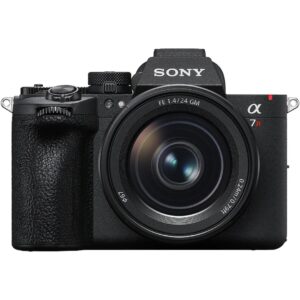
High-resolution imaging platform combining dual gain dynamic range below ISO 400 and full mechanical shutter stability, trading stacked burst speeds for pristine optical rendering.
Mizex Comparative Audit Verdict
5-Pillar Engineering Telemetry
Detailed comparison across standardized normalized 1.0 – 5.0 engineering pillars.
Canon EOS R6 Mark II: Strengths & Caveats
- High-speed continuous shooting reaching up to 40 fps with full AF/AE tracking via electronic shutter
- 5-axis in-body image stabilization delivering up to 8.0 stops of shake correction
- Uncropped 6K-oversampled 4K 60p video recording with 10-bit Canon Log 3 support
- Dual UHS-II SDXC memory card slots housed in a weather-sealed magnesium alloy chassis
- Delicate micro-HDMI (Type-D) port susceptible to strain and physical damage in video rigs
- Restricted native third-party autofocus lens ecosystem on the proprietary RF mount
Sony a7R VI: Strengths & Caveats
- Dual gain output below ISO 400 maximizes dynamic range and shadow recovery
- Smooth highlight-to-shadow gradations without harsh contrast clipping
- Neutral auto white balance rendering without warm color casts
- Full mechanical shutter eliminates flash photography background artifacts
- Lacks the high-speed burst capture and versatility of stacked-sensor architectures
Technical Specification Comparison
Side-by-side spec alignment. Rows highlighted with subtle shading denote differing specifications.
| Specification | Canon EOS R6 Mark II | Sony a7R VI |
|---|---|---|
| Brand DIFF | Canon | Sony |
| Model DIFF | EOS R6 Mark II | a7R VI |
| Sensor Type DIFF | Full-Frame CMOS | — |
| Effective Resolution DIFF | 24.2 Megapixels | — |
| Total Resolution DIFF | 25.60 Megapixels | — |
| Image Processor DIFF | DIGIC X | — |
| Lens Mount DIFF | Canon RF | — |
| In Body Image Stabilization DIFF | 5-Axis IBIS, up to 8.0 stops (CIPA) | — |
| Autofocus System DIFF | EOS iTR AF X with automatic subject detection and tracking | — |
| Continuous Shooting Speed DIFF | Up to 12 fps (mechanical/EFCS), up to 40 fps (electronic shutter) with AF/AE tracking | — |
| ISO Sensitivity DIFF | ISO 100 - 102400 (expandable to ISO 204800) | — |
| Video Capture Resolution DIFF | Oversampled 4K 60p (from 6K capture), Full HD 180p | — |
| Video Color Profiles & Output DIFF | Canon Log 3, 10-bit 4:2:2 HDMI output, external RAW output over HDMI (up to 6K) | — |
| Viewfinder DIFF | Electronic Viewfinder (EVF), 3.69M dots, 0.76x magnification | — |
| Display DIFF | 3.0-inch vari-angle touchscreen LCD, 1.62M dots | — |
| Storage Media DIFF | Dual SDXC slots (UHS-II compatible) | — |
| I/O Connectivity DIFF | USB-C, micro HDMI, 3.5mm mic in, 3.5mm headphone out, 2.5mm remote, Wi-Fi, Bluetooth | — |
| Battery Type DIFF | Canon LP-E6NH rechargeable lithium-ion | — |
| Chassis Construction DIFF | Magnesium alloy with dust and splash weather sealing | — |
| Dimensions DIFF | 3.9 x 5.4 x 3.5 in (99.1 x 137.2 x 88.9 mm) | — |
| Weight DIFF | 1.3 lbs (590 g) body only | — |
| Sensor Architecture DIFF | — | Dual gain output active below ISO 400 |
| Shutter Mechanism DIFF | — | Full mechanical shutter |
| Flash Synchronization DIFF | — | Mechanical shutter artifact mitigation (EFCS-free) |
| Color Processing DIFF | — | Neutral-bias auto white balance |
| Platform Focus DIFF | — | High-resolution stills specialization |
Need to evaluate a different configuration?
🔍 Compare Other Hardware