ASUS ESC8000A-E13 vs Lenovo ThinkSystem ST650 V3
Standardized 5-pillar engineering audit, thermal telemetry, verified longevity metrics, and complete technical specification diff.
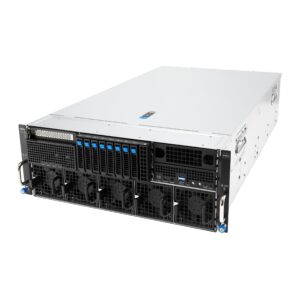
A high-density 4U dual-socket enterprise rackmount platform engineered for scalable multi-GPU parallel computing across two AMD EPYC generations and multi-vendor AI accelerators.
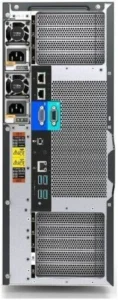
A modular 4U tower server balancing versatile high-density storage configurations with robust XClarity remote administration for demanding enterprise workloads.
Mizex Comparative Audit Verdict
5-Pillar Engineering Telemetry
Detailed comparison across standardized normalized 1.0 – 5.0 engineering pillars.
ASUS ESC8000A-E13: Strengths & Caveats
- Dual-socket architecture supporting both AMD EPYC 9005 and 9004 series processors
- High-density compute chassis accommodating up to 8 dual-slot PCIe accelerators
- Broad multi-vendor validation for NVIDIA H200, NVIDIA RTX PRO Blackwell Server Edition, and AMD Instinct accelerators
- Requires high-density datacenter rack infrastructure and multi-kilowatt power delivery for fully populated configurations
- 4U industrial cooling architecture necessitates dedicated server room deployment due to high-velocity airflow noise
Lenovo ThinkSystem ST650 V3: Strengths & Caveats
- Modular 4U architecture customizable for high-capacity or dense storage configurations
- Tiered systems management and remote deployment support via Lenovo XClarity
- Expansive internal volume facilitates efficient front-to-back chassis cooling
- Substantial 4U physical footprint requires dedicated floor or bench space in non-rack environments
- Enterprise deployment workflows require familiarity with Lenovo XClarity infrastructure
Technical Specification Comparison
Side-by-side spec alignment. Rows highlighted with subtle shading denote differing specifications.
| Specification | ASUS ESC8000A-E13 | Lenovo ThinkSystem ST650 V3 |
|---|---|---|
| Brand DIFF | ASUS | Lenovo |
| Model DIFF | ESC8000A-E13 | ThinkSystem ST650 V3 |
| Form Factor DIFF | 4U Rackmount | 4U tower |
| Processor Sockets DIFF | Dual Socket (2P) | — |
| Supported Processors DIFF | AMD EPYC 9005 / 9004 Series | — |
| Accelerator Capacity DIFF | Up to 8x dual-slot PCIe GPUs | — |
| Supported Accelerators DIFF | NVIDIA H200, NVIDIA RTX PRO 6000 / 4500 Blackwell Server Edition, AMD Instinct Series | — |
| Machine Types DIFF | — | 7D7A, 7D7B |
| Systems Management DIFF | — | Lenovo XClarity |
Need to evaluate a different configuration?
🔍 Compare Other Hardware