
- PCIe 4.0 x4 interface maximizes modern bus bandwidth for compact OEM laptops and small-form-factor devices
- Responsive sequential read capabilities on the PVC10 platform
- Compact M.2 2242 form factor accommodates strict chassis space constraints
- Sequential write throughput on the PVC10 architecture trails significantly behind read performance
- OEM-focused distribution provides no dedicated consumer firmware update software
- 256GB capacity limits headroom for modern operating systems and large application libraries
Overview
Operating across a high-speed PCIe 4.0 x4 bus interface, the SK hynix PVC10 routes modern Gen4 bandwidth directly into compact client architectures. Built specifically around the space-constrained M.2 2242 footprint, the drive packages an integrated controller and flash topology tailored for ultra-thin laptops and small form-factor OEM devices where physical PCB clearance is strictly restricted. Sequential read performance capitalizes on the four-lane Gen4 connection to maintain snappy system boot sequences and rapid application loading, establishing a dependable baseline for mobile computing.
Architectural trade-offs emerge in sustained write operations, where the PVC10 platform exhibits sequential write throughput that trails significantly behind its read capabilities once initial caching boundaries are surpassed. Thermally, the concentrated 42 mm substrate consolidates heat generation across a reduced surface area, making thermal management reliant on host chassis airflow or integrated system heat spreaders during intensive file transfers. Because the drive is distributed primarily through OEM integration channels, maintenance depends on vendor BIOS rollouts rather than standalone consumer firmware update utilities.
In practical day-to-day deployment, the 256GB capacity represents an entry-level tier best suited for lightweight operating environments, embedded devices, or direct OEM hardware replacements. While its solid-state construction and Tier-1 flash supply ensure operational stability, prospective upgraders must account for asymmetrical write throughput and limited capacity when repurposing the module outside its original host system.
Technical Specifications
| Brand | SK hynix |
| Model | PVC10 256GB |
| Series | PVC10 |
| Form Factor | M.2 2242 |
| Dimensions | 1.65 x 0.87 in (42.0 x 22.0 mm) |
| Interface | PCIe 4.0 x4 |
| Protocol | NVMe |
| Capacity | 256 GB |
| Flash Manufacturer | SK hynix |
| Target Deployment | OEM Client & Small Form-Factor Systems |
Primary Sources & Audited Citations
Recommended Alternatives in Storage (SSDs & HDDs)
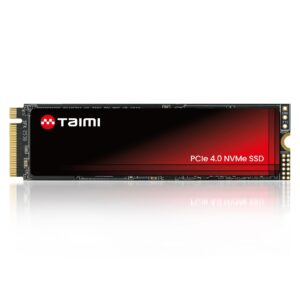
At a Glance
How reliable is the SK hynix PVC10 256GB NVMe SSD Review: Compact Footprint with Asymmetric Throughput according to Mizex audits?
A capable PCIe 4.0 drop-in replacement for compact OEM systems, though asymmetrical write speeds and a 256GB capacity limit its appeal for write-intensive workloads.
What are the known quirks or drawbacks of the SK hynix PVC10 256GB NVMe SSD Review: Compact Footprint with Asymmetric Throughput?
Our reliability audit identified the following documented caveats:
- Sequential write throughput on the PVC10 architecture trails significantly behind read performance
- OEM-focused distribution provides no dedicated consumer firmware update software
- 256GB capacity limits headroom for modern operating systems and large application libraries
What are the key engineering highlights of the SK hynix PVC10 256GB NVMe SSD Review: Compact Footprint with Asymmetric Throughput?
The top strengths recorded in our evaluation include:
- PCIe 4.0 x4 interface maximizes modern bus bandwidth for compact OEM laptops and small-form-factor devices
- Responsive sequential read capabilities on the PVC10 platform
- Compact M.2 2242 form factor accommodates strict chassis space constraints