
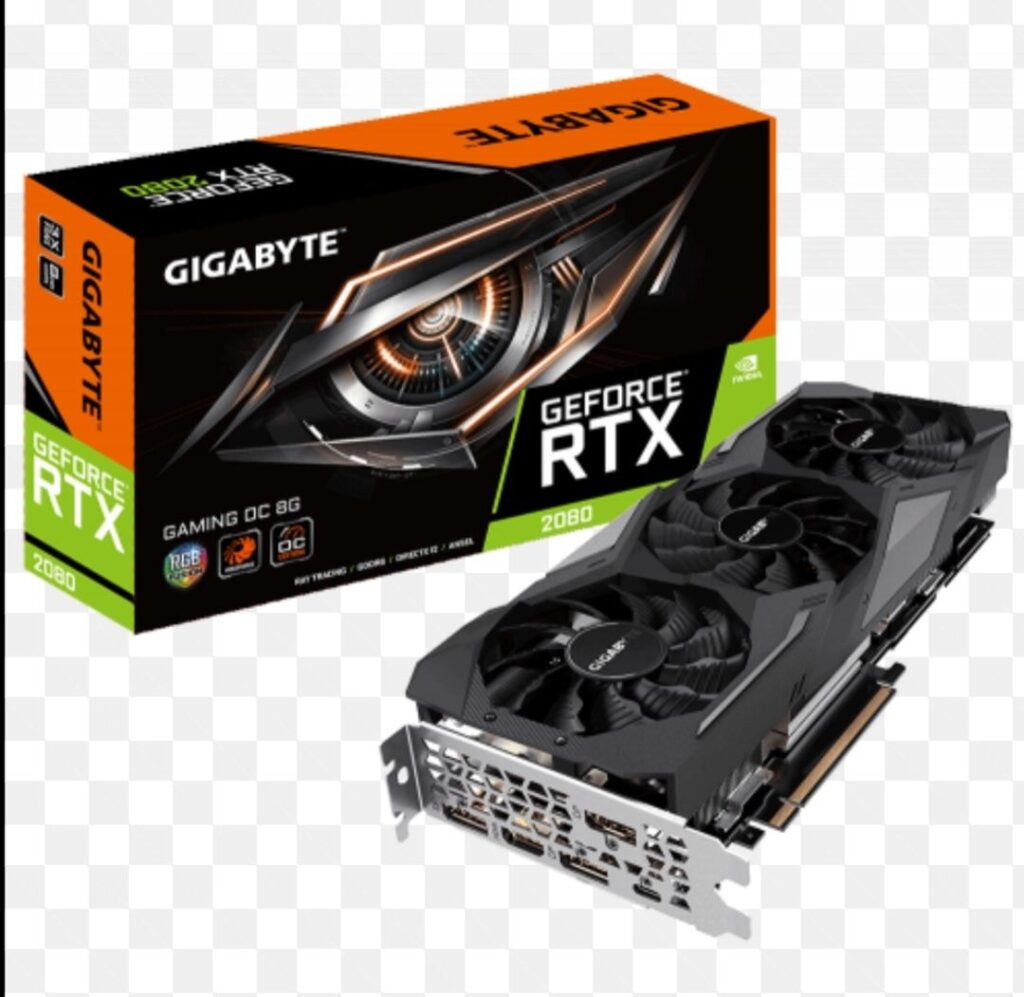
- High factory boost clock reaching 2,805 MHz over the 2,300 MHz base
- Next-generation 16 GB GDDR7 memory operating across a 256-bit bus
- Modern display pipeline featuring three DisplayPort 2.1b ports and HDMI 2.1b
- Robust WINDFORCE HYPERBURST thermal design with full-length reinforced metal backplate
- Retail pricing premiums exceed original launch baseline figures
- Extended 13.0 in (330.2 mm) length requires careful chassis clearance verification
Overview
Silicon deployment centers on NVIDIA’s Blackwell architecture, harnessing 10,752 CUDA cores and 16 GB of next-generation GDDR7 memory across a 256-bit bus interface. Operating within a 360-watt thermal design envelope, the graphics card interfaces over high-speed PCI Express 5.0 and sustains an aggressive 2,805 MHz factory boost clock over its 2,300 MHz base frequency. Display connectivity is modern and comprehensive, pairing three DisplayPort 2.1b outputs with a dedicated HDMI 2.1b port to supply high-bandwidth display protocols for ultra-high-refresh panels.
Thermal management is driven by GIGABYTE’s WINDFORCE HYPERBURST cooling array, integrating Hawk and Overdrive fan geometry alongside composite metal grease to ensure rapid thermal transfer across the heatsink assembly. A reinforced metal backplate spans the entire 13.0 in (330.2 mm) profile, conferring structural rigidity to guard against PCB flexion. While engineered within a standard double-slot bracket form factor, the substantial length demands deliberate clearance planning in desktop enclosures.
Firmware execution provides stable clock regulation and unified telemetry across prolonged compute cycles, complemented by subtle perimeter RGB Halo lighting. The high-density memory interface and elevated clock targets yield sustained throughput across demanding gaming and local machine learning tasks. While post-launch pricing volatility remains a factor, the underlying board design, modernized port standards, and heavy-duty thermal execution represent a capable enthusiast solution.
Technical Specifications
| Brand | GIGABYTE |
| Model | AORUS GeForce RTX 5080 Infinity 16G |
| Model Number | GV-N5080AORUS IF-16GD |
| GPU Architecture | NVIDIA Blackwell |
| GPU Chipset | NVIDIA GeForce RTX 5080 |
| CUDA Cores | 10,752 |
| Base Clock | 2,300 MHz |
| Boost Clock | 2,805 MHz |
| Memory Capacity | 16 GB |
| Memory Type | GDDR7 |
| Memory Bus Width | 256-bit |
| Bus Interface | PCI Express 5.0 |
| Thermal Design Power (TDP) | 360 W |
| Card Length | 13.0 in (330.2 mm) |
| Slot Width | Double Slot |
| Display Outputs | 3 x DisplayPort 2.1b, 1 x HDMI 2.1b |
| Cooling System | WINDFORCE HYPERBURST |
| Fan Technology | Hawk fan design, Overdrive fan design |
| Thermal Interface Material | Composite metal grease |
| Backplate | Reinforced Metal Backplate |
| Lighting | RGB Halo |
Primary Sources & Audited Citations
Recommended Alternatives in Graphics Cards (GPUs)
At a Glance
How reliable is the GIGABYTE AORUS GeForce RTX 5080 Infinity 16G Review: Blackwell Silicon Meets Hyperburst Cooling according to Mizex audits?
A premier choice for enthusiasts demanding cutting-edge Blackwell silicon and a factory overclock, provided desktop chassis clearance accommodates its 13-inch footprint.
What are the known quirks or drawbacks of the GIGABYTE AORUS GeForce RTX 5080 Infinity 16G Review: Blackwell Silicon Meets Hyperburst Cooling?
Our reliability audit identified the following documented caveats:
- Retail pricing premiums exceed original launch baseline figures
- Extended 13.0 in (330.2 mm) length requires careful chassis clearance verification
What are the key engineering highlights of the GIGABYTE AORUS GeForce RTX 5080 Infinity 16G Review: Blackwell Silicon Meets Hyperburst Cooling?
The top strengths recorded in our evaluation include:
- High factory boost clock reaching 2,805 MHz over the 2,300 MHz base
- Next-generation 16 GB GDDR7 memory operating across a 256-bit bus
- Modern display pipeline featuring three DisplayPort 2.1b ports and HDMI 2.1b
- Robust WINDFORCE HYPERBURST thermal design with full-length reinforced metal backplate