

- Silent fanless cooling with no thermal throttling observed in gaming tests
- Doubled 512GB PCIe 4.0 NVMe base storage alongside strong 10-core M5 efficiency
- Apple N1 wireless chip adds Wi-Fi 7, Bluetooth 6, and Thread support
- Supports two external displays concurrently alongside modular MagSafe, Thunderbolt, and audio ports
- 60Hz Liquid Retina display with a screen notch and no Face ID
- Soldered unified memory and SSD prevent post-purchase upgrades
- Only two Thunderbolt 4 ports and battery replacement requires removing the logic board
Overview
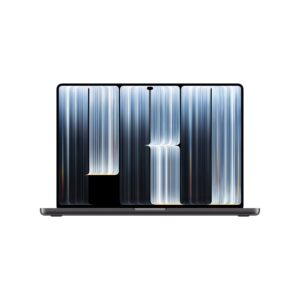
Big-screen ultraportables usually force a trade-off between acoustic noise and sustained performance, yet Apple’s latest 15-inch architecture sidesteps that compromise completely. Built around the 10-core M5 SoC inside an aluminum chassis with zero moving fans, it runs silently while maintaining performance without thermal throttling in gaming tests. Alongside four super cores, six efficiency cores, and a 10-core GPU equipped with Neural Accelerators and hardware ray tracing, the platform pairs 153 GB/s of unified memory bandwidth with a 16-core Neural Engine and hardware media acceleration covering H.264, HEVC, ProRes, and AV1 decode.
Everyday usability gets meaningful quality-of-life upgrades across storage, wireless connectivity, and external workspace expansion. Base configurations now start with 16GB of unified memory and a doubled 512GB PCIe 4.0 NVMe SSD, while Apple’s N1 networking chip brings Wi-Fi 7, Bluetooth 6, and Thread support. You can also drive two external displays—up to 6K at 60Hz or 4K at 144Hz each—alongside the 15.3-inch Liquid Retina panel, which stays sharp at 2880 x 1864 with 500 nits of brightness, P3 color, and PWM-free backlighting, even if its 60Hz refresh rate and screen notch feel dated. A 66.5 Wh battery rated for up to 18 hours of video streaming or 15 hours of web browsing keeps you untethered, topped up by a 40W Dynamic Power Adapter with 60W max output or any 70W-plus USB PD charger.
Hardware interactions and serviceability show a mix of thoughtful ergonomics and familiar Apple lock-in. The Force Touch trackpad, backlit Magic Keyboard with Touch ID, 12MP Center Stage webcam, and six-speaker force-cancelling audio system round out an exceptionally cohesive daily setup, though Face ID remains absent and physical connectivity stops at two Thunderbolt 4 ports, MagSafe 3, and a 3.5 mm headphone jack. On the repair bench, modular MagSafe, Thunderbolt, and audio ports make common wear-item swaps straightforward beneath the Pentalobe bottom cover, whereas soldered memory, soldered storage, and a stretch-adhesive battery tucked under the logic board limit long-term upgrades.
Technical Specifications
| Brand | Apple |
| Model | 2026 MacBook Air 15-inch M5 |
| Processor | Apple M5 (10-core CPU: 4 super, 6 efficiency) |
| GPU | 10-core Apple GPU with Neural Accelerators and hardware ray tracing |
| Neural Engine | 16-core Neural Engine |
| Memory | 16GB unified memory (configurable to 24GB or 32GB, soldered; 153 GB/s bandwidth) |
| Storage | 512GB PCIe 4.0 NVMe SSD (configurable up to 4TB, soldered) |
| Display | 15.3-inch Liquid Retina IPS, 2880 x 1864 (224 PPI), 60Hz, 500 nits, P3, PWM-free |
| External Display Support | Up to two external displays (6K at 60Hz or 4K at 144Hz each) alongside built-in screen |
| Cooling | Fanless passive cooling |
| Battery & Charging | 66.5 Wh Li-Po (up to 18h video / 15h web); 40W Dynamic Power Adapter (60W Max), 70W+ fast-charge capable |
| Ports | 2x Thunderbolt 4 / USB 4 (40Gb/s), 1x MagSafe 3, 1x 3.5 mm headphone jack |
| Wireless | Apple N1 (Wi-Fi 7 / 802.11be, Bluetooth 6, Thread) |
| Camera & Audio | 12MP Center Stage webcam, 6-speaker Spatial Audio system, 3-mic beamforming array |
| Chassis & Input | Aluminum chassis, backlit Magic Keyboard with Touch ID, Force Touch trackpad |
| Operating System | macOS Tahoe |
Primary Sources & Audited Citations
- MacBook Air (15-inch, M5) - Tech Specs - Apple Support
- Apple introduces the new MacBook Air with M5 - Apple Newsroom
- Apple MacBook Air 15 M5 Review - Very powerful, fanless and without competition - Notebookcheck
- Apple MacBook Air 15.3" (M5) - The Best 15-Inch Laptop for Everyday Use? - LaptopMedia
- M5 MacBook Air Review: A Laptop With Real Middle Child Energy - Gizmodo
- MacBook Air 15" 2026 Repair & Teardown Hub - iFixit
Recommended Alternatives in Laptops
At a Glance
How reliable is the Apple 2026 MacBook Air 15-inch M5 according to Mizex audits?
Buy this if you want a dead-quiet, big-screen macOS daily driver with 512GB base storage and multi-monitor support; look at a MacBook Pro if you need 120Hz ProMotion, active cooling for heavy sustained workloads, or extra Thunderbolt ports.
What are the known quirks or drawbacks of the Apple 2026 MacBook Air 15-inch M5?
Our reliability audit identified the following documented caveats:
- 60Hz Liquid Retina display with a screen notch and no Face ID
- Soldered unified memory and SSD prevent post-purchase upgrades
- Only two Thunderbolt 4 ports and battery replacement requires removing the logic board
What are the key engineering highlights of the Apple 2026 MacBook Air 15-inch M5?
The top strengths recorded in our evaluation include:
- Silent fanless cooling with no thermal throttling observed in gaming tests
- Doubled 512GB PCIe 4.0 NVMe base storage alongside strong 10-core M5 efficiency
- Apple N1 wireless chip adds Wi-Fi 7, Bluetooth 6, and Thread support
- Supports two external displays concurrently alongside modular MagSafe, Thunderbolt, and audio ports