
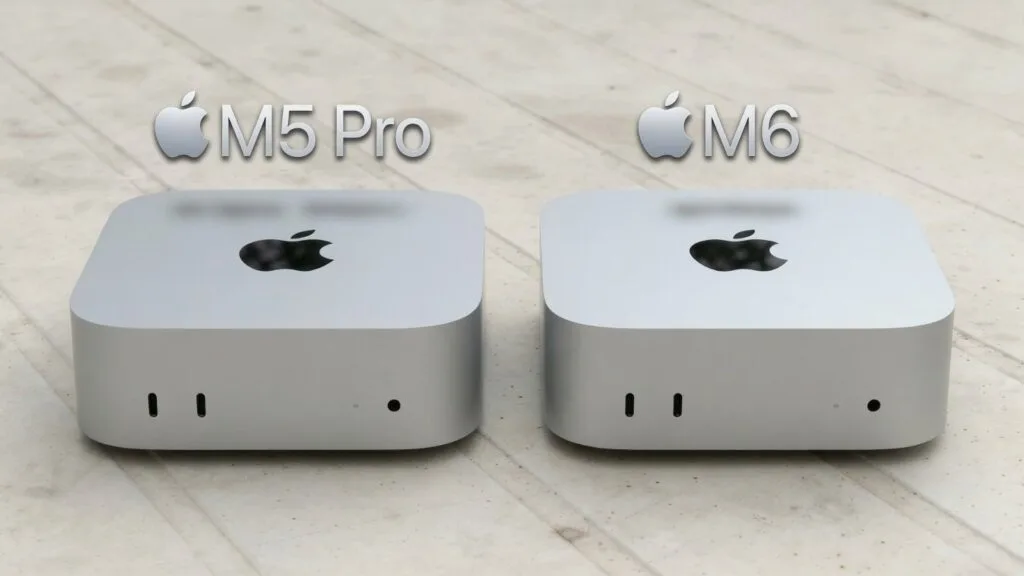
- Pioneering TSMC 2 nm fabrication node delivering exceptional compute density and power efficiency
- Dual 16-core Neural Processing Unit tailored for local agentic and on-device AI acceleration
- High-speed unified memory subsystem operating at 170 GB/s bandwidth
- Proven compact aluminum unibody chassis with precision structural tolerances
- Unified memory capacity is strictly non-modular and limited to a maximum of 32 GB
- Constrained global availability resulting in multi-month shipping backlogs
Overview
The 2026 Apple Mac mini introduces the Apple M6 system-on-chip fabricated on TSMC’s pioneering 2 nm semiconductor process node. The silicon architecture employs an advanced 12-core CPU configuration comprising 2 Super cores, 4 Performance cores, and 6 Efficiency cores, paired with an integrated 12-core GPU. Crucially for modern workloads, the SoC integrates a dedicated dual 16-core Neural Processing Unit engineered specifically to handle persistent on-device AI models and agentic computing pipelines, backed by a unified memory subsystem delivering 170 GB/s of bandwidth across capacities up to 32 GB.
Housed in Apple’s signature compact desktop form factor, the exterior maintains high-grade anodized aluminum construction with precision unibody structural tolerances. Because physical retail teardown verification remains pending widespread hardware availability, internal thermal sub-assembly structures, vapor dissipation pathways, and exact acoustic decibel profiles under sustained compute loads await destructive lab analysis. However, the architectural transition to 2 nm lithography inherently provides substantial thermal efficiency advantages and minimal power draw characteristics.
Firmware stability and operational governance benefit from Apple’s mature macOS kernel cadence, ensuring dependable low-power standby behavior and seamless sleep-to-wake transitions. In daily deployment, the primary engineering compromise is the soldered, non-modular unified memory design capped at 32 GB, which restricts larger parameter model execution, alongside extended fulfillment queues resulting from constrained global supply.
Technical Specifications
| Brand | Apple |
| Model | 2026 Mac mini M6 |
| Processor | Apple M6 |
| Semiconductor Process | TSMC 2 nm |
| Cpu Configuration | 12 cores (2 Super, 4 Performance, 6 Efficiency) |
| Gpu Cores | 12 cores |
| Neural Engine | Dual 16-core NPU |
| Unified Memory Options | 16 GB, 24 GB, 32 GB |
| Memory Bandwidth | 170 GB/s |
| Chassis Material | Anodized Aluminum |
| Form Factor | Mini Desktop PC |
Primary Sources & Audited Citations
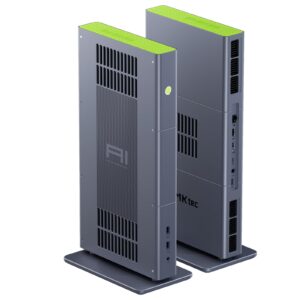
Recommended Alternatives in Mini PCs


At a Glance
How reliable is the Apple 2026 Mac mini M6 Review: Extreme Efficiency Capped By Fixed Memory according to Mizex audits?
An architectural tour de force for desktop computing and local AI inference, provided your workflows fit comfortably within the fixed 32 GB memory ceiling.
What are the known quirks or drawbacks of the Apple 2026 Mac mini M6 Review: Extreme Efficiency Capped By Fixed Memory?
Our reliability audit identified the following documented caveats:
- Unified memory capacity is strictly non-modular and limited to a maximum of 32 GB
- Constrained global availability resulting in multi-month shipping backlogs
What are the key engineering highlights of the Apple 2026 Mac mini M6 Review: Extreme Efficiency Capped By Fixed Memory?
The top strengths recorded in our evaluation include:
- Pioneering TSMC 2 nm fabrication node delivering exceptional compute density and power efficiency
- Dual 16-core Neural Processing Unit tailored for local agentic and on-device AI acceleration
- High-speed unified memory subsystem operating at 170 GB/s bandwidth
- Proven compact aluminum unibody chassis with precision structural tolerances