Valve Steam Frame VR vs Lenovo V15 Gen 4
Standardized 5-pillar engineering audit, thermal telemetry, verified longevity metrics, and complete technical specification diff.
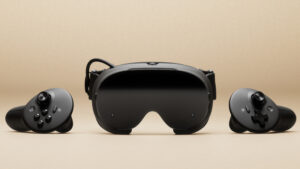
A modular, repair-friendly handheld that sacrifices battery efficiency and passthrough fidelity to deliver a unique SteamOS experience.
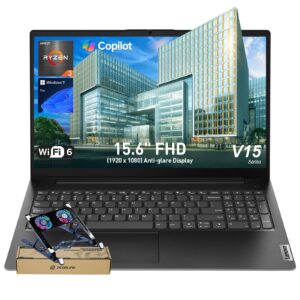
A lightweight 15.6-inch budget workstation with useful legacy I/O, compromised by soldered LPDDR5 memory and restrictive PCIe 3.0 x2 M.2 2242 storage expansion.
Mizex Comparative Audit Verdict
5-Pillar Engineering Telemetry
Detailed comparison across standardized normalized 1.0 – 5.0 engineering pillars.
Valve Steam Frame VR: Strengths & Caveats
- Runs SteamOS providing a native Linux environment for PC gaming
- Modular design allows detachment of optical/compute side for easier repair
- Includes dedicated 6GHz wireless adapter for high-bandwidth streaming
- Battery life is inferior to the Meta Quest 3
- Passthrough camera quality is significantly lower than competitors
- Power brick is not included and must be purchased separately
Lenovo V15 Gen 4: Strengths & Caveats
- Lightweight 15.6-inch form factor weighing 3.64 lbs (1.65 kg)
- Dedicated RJ-45 Gigabit Ethernet port alongside USB-C with Power Delivery
- Full-sized chiclet keyboard includes an integrated numeric keypad
- Fast LPDDR5-4800 memory architecture
- System RAM is entirely soldered with zero aftermarket upgrade capability
- Internal M.2 slot is constrained to 42mm drives and capped at PCIe 3.0 x2 speeds
- Base configurations feature an inferior TN panel with poor viewing angles
Technical Specification Comparison
Side-by-side spec alignment. Rows highlighted with subtle shading denote differing specifications.
| Specification | Valve Steam Frame VR | Lenovo V15 Gen 4 |
|---|---|---|
| Brand DIFF | Valve | Lenovo |
| Model DIFF | Valve Steam Frame VR | V15 Gen 4 |
| Processor DIFF | Qualcomm Snapdragon 8 Gen 3 | — |
| Ram DIFF | 16GB LPDDR5 | — |
| Storage Options DIFF | 256GB, 1TB | — |
| Operating System DIFF | SteamOS | — |
| Connectivity DIFF | Wi-Fi 6E dongle included, 6GHz wireless adapter for streaming | — |
| Display Type DIFF | Standalone VR display (Passthrough cameras) | — |
| Battery Life DIFF | Worse than Meta Quest 3 | — |
| Passthrough Quality DIFF | Poor | — |
| Processor Options DIFF | — | AMD Athlon Silver, AMD Athlon Gold, AMD Ryzen 3 7320U, AMD Ryzen 5 7520U, AMD Ryzen 7 7730U |
| Graphics DIFF | — | AMD Radeon 610M / AMD Radeon RX Vega 8 (Integrated) |
| Memory DIFF | — | 8GB or 16GB LPDDR5-4800 (soldered, non-upgradeable) |
| Storage Support DIFF | — | 1x M.2 2242 PCIe 3.0 x2 NVMe SSD |
| Display DIFF | — | 15.6-inch 1920 x 1080 FHD, 16:9, 60Hz (TN or IPS anti-glare options) |
| Battery Capacity DIFF | — | 38 Wh, 2-cell |
| Cooling Solution DIFF | — | Single fan, single heat pipe, dedicated VRM heat spreader |
| Networking DIFF | — | Wi-Fi 5 (802.11ac), Gigabit Ethernet (10/100/1000 RJ-45 LAN) |
| Ports DIFF | — | 1x USB-C (Power Delivery), 3x USB 3.0 / 3.1 Gen 1 Type-A, 1x HDMI, 1x RJ-45 Ethernet, 1x 3.5mm combo audio jack |
| Camera DIFF | — | 720p HD webcam |
| Audio DIFF | — | Stereo speakers |
| Keyboard DIFF | — | Full-size Chiclet keyboard with dedicated numeric keypad |
| Dimensions DIFF | — | 14.14 x 9.28 x 0.78 in (359.2 x 235.8 x 19.9 mm) |
| Weight DIFF | — | 3.64 lbs (1.65 kg) |
Need to evaluate a different configuration?
🔍 Compare Other Hardware