TP-Link Archer 8 Ultra vs Ubiquiti UniFi 5G Backup
Standardized 5-pillar engineering audit, thermal telemetry, verified longevity metrics, and complete technical specification diff.
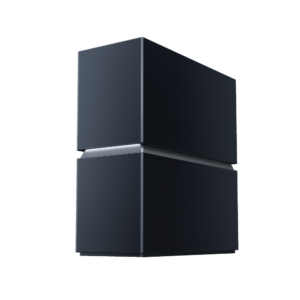
Pioneering Wi-Fi 8 desktop router delivering 19 Gbps tri-band throughput and 10 Gbps wired connectivity, offset by early-adopter premiums and launch unavailability in the US.
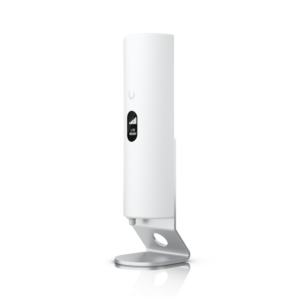
The UniFi 5G Backup offers elegant, plug-and-play PoE LTE and 5G RedCap failover in a sleek chassis, but carrier provisioning hurdles and gateway adoption quirks currently hinder its real-world dependability.
Mizex Comparative Audit Verdict
5-Pillar Engineering Telemetry
Detailed comparison across standardized normalized 1.0 – 5.0 engineering pillars.
TP-Link Archer 8 Ultra: Strengths & Caveats
- First consumer router to implement the next-generation Wi-Fi 8 (802.11bn) wireless standard
- Massive 19 Gbps aggregate wireless throughput supported by tri-band operation
- Clean monolithic enclosure housing an integrated array of 18 internal antennas
- High-bandwidth 10 Gbps wired network interface
- Unavailable in the US market at launch due to an ongoing FCC freeze and regulatory restrictions
- Full 19 Gbps wireless potential is currently gated by the absence of consumer Wi-Fi 8 client devices
- Unspecified port distribution for whether 10 Gbps wired connectivity spans both WAN and LAN or is limited to LAN
Ubiquiti UniFi 5G Backup: Strengths & Caveats
- Native plug-and-play failover integration with UniFi Cloud Gateways and UniFi Network controller
- Compact polycarbonate and aluminum enclosure powered via PoE with versatile mounting accessories included
- Dual-SIM flexibility supporting both a physical Nano-SIM slot and built-in eSIM architecture
- Integrated 1.14-inch diagnostic status display for real-time cellular signal telemetry
- Widespread compatibility issues on AT&T networks causing IMEI ineligibility and fallback to reduced 4G speeds
- 5G RedCap specification caps theoretical maximum downlink at 220 Mbps and uplink at 120 Mbps
- Strict ecosystem lock-in requiring a UniFi Cloud Gateway environment with no support for third-party routers
Technical Specification Comparison
Side-by-side spec alignment. Rows highlighted with subtle shading denote differing specifications.
| Specification | TP-Link Archer 8 Ultra | Ubiquiti UniFi 5G Backup |
|---|---|---|
| Brand DIFF | TP-Link | Ubiquiti |
| Model DIFF | Archer 8 Ultra | Ubiquiti UniFi 5G Backup |
| Model Number DIFF | BN19000 | — |
| Alternative Model Name DIFF | Archer BN800 | — |
| Device Category DIFF | Networking & Routers | — |
| Wireless Standard DIFF | Wi-Fi 8 (IEEE 802.11bn) | — |
| Frequency Bands DIFF | Tri-band | — |
| Aggregate Wireless Throughput DIFF | 19 Gbps | — |
| Antenna Configuration DIFF | 18 internal antennas | — |
| Wired Connectivity DIFF | 10 Gbps Ethernet | — |
| Form Factor DIFF | Desktop Router | — |
| Model Number DIFF | — | U5G (U5G-US / U5G-EU) |
| Cellular Technology DIFF | — | 5G RedCap (SA), 4G LTE |
| Modem DIFF | — | Quectel 5G RedCap module |
| Peak Data Rate 5g Downlink DIFF | — | 220 Mbps |
| Peak Data Rate 5g Uplink DIFF | — | 120 Mbps |
| Peak Data Rate Lte Downlink DIFF | — | 195 Mbps |
| Peak Data Rate Lte Uplink DIFF | — | 100 Mbps |
| Supported 5g Bands DIFF | — | n2, n5, n7, n12, n13, n14, n25, n26, n30, n38, n41, n48, n66, n71, n77, n78 |
| Supported Lte Bands DIFF | — | B2, B4, B5, B7, B12, B13, B14, B25, B26, B30, B38, B41, B42, B43, B48, B66, B71 |
| Tx Power 5g DIFF | — | 23 dBm |
| Tx Power Lte DIFF | — | 26 dBm (HPUE Class 2) |
| Antennas DIFF | — | 2x embedded omnidirectional cellular antennas |
| Ethernet Interface DIFF | — | 1x 1 GbE RJ45 port |
| Power Method DIFF | — | PoE input |
| Sim Support DIFF | — | 1x Nano-SIM (4FF), 1x eSIM |
| Display DIFF | — | 1.14" status display |
| Enclosure Material DIFF | — | Polycarbonate, aluminum alloy |
| Mount Options DIFF | — | Desktop stand, wall mount, window mount |
| Device Dimensions DIFF | — | 200 x 38 x 20.2 mm (7.9 x 1.5 x 0.8 in) |
| Device Weight DIFF | — | 122 g (4.3 oz) |
| Operating Temperature Range DIFF | — | 0 to 40 °C (32 to 104 °F) |
| Operating Humidity Range DIFF | — | 5 to 95% noncondensing |
| Certifications DIFF | — | FCC, IC, PTCRB, GCF, AT&T, T-Mobile, NDAA compliant |
Need to evaluate a different configuration?
🔍 Compare Other Hardware