Teltonika RUTM20 vs Ubiquiti Max 5G Modem
Standardized 5-pillar engineering audit, thermal telemetry, verified longevity metrics, and complete technical specification diff.

An ultra-compact industrial 5G gateway combining global Telit connectivity, native eSIM agility, and PoE pass-through for zero-touch IoT infrastructure.
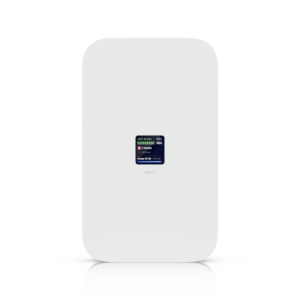
Integrated 5G cellular gateway pairing tri-band Wi-Fi, SFP fiber capability, and automated failover in a unified UniFi OS desktop platform.
Mizex Comparative Audit Verdict
5-Pillar Engineering Telemetry
Detailed comparison across standardized normalized 1.0 – 5.0 engineering pillars.
Teltonika RUTM20: Strengths & Caveats
- Integrated global Telit 5G modem delivers comprehensive worldwide cellular connectivity
- Built-in eSIM enables over-the-air carrier provisioning without physical SIM card swaps
- Bidirectional PoE input and output streamline single-cable power and data installation
- Ultra-compact industrial form factor easily integrates into tight IoT and IIoT enclosures
- Ultra-compact footprint restricts physical interface port count compared to full-sized industrial routers
- High-density passive thermal envelope requires adequate ambient clearance when mounted in sealed enclosure installations
Ubiquiti Max 5G Modem: Strengths & Caveats
- Integrated 5G cellular modem supporting both physical SIM and eSIM for flexible carrier provisioning
- Tri-band Wi-Fi capability spanning 2.4 GHz, 5 GHz, and 6 GHz spectrums
- Built-in SFP slot allowing direct fiber-optic WAN connectivity
- Integrated front display delivering immediate real-time telemetry on signal quality and data usage
- Multi-gigabit throughput support across the four RJ45 Ethernet ports was unconfirmed at announcement
- SFP optical transceiver is not included in the chassis package and must be sourced separately
Technical Specification Comparison
Side-by-side spec alignment. Rows highlighted with subtle shading denote differing specifications.
| Specification | Teltonika RUTM20 | Ubiquiti Max 5G Modem |
|---|---|---|
| Brand DIFF | Teltonika | Ubiquiti |
| Model DIFF | RUTM20 | Max 5G Modem |
| Cellular Architecture DIFF | 5G NR | — |
| Modem DIFF | Telit global 5G modem | — |
| SIM Integration DIFF | Embedded eSIM | — |
| Power Delivery DIFF | PoE input and PoE output pass-through | — |
| Operating System DIFF | RutOS (OpenWrt-based) | UniFi OS |
| Form Factor DIFF | Ultra-compact industrial | — |
| Deployment Target DIFF | IoT & IIoT (POS, surveillance, transport) | — |
| Cellular Technology DIFF | — | 5G |
| SIM Support DIFF | — | Physical SIM and eSIM |
| Cellular Deployment Modes DIFF | — | Primary connection, failover, or redundancy |
| Wi Fi Frequency Bands DIFF | — | Tri-band (2.4 GHz, 5 GHz, 6 GHz) |
| Ethernet Interface DIFF | — | 4x RJ45 ports |
| Fiber Optic Interface DIFF | — | 1x SFP slot |
| Storage Expansion DIFF | — | MicroSD card slot |
| Integrated Display DIFF | — | Status display (signal quality, throughput, total data usage) |
Need to evaluate a different configuration?
🔍 Compare Other Hardware