Sony INZONE M10S II vs Gigabyte Aorus Elite FO32U24G
Standardized 5-pillar engineering audit, thermal telemetry, verified longevity metrics, and complete technical specification diff.
Sony INZONE M10S II
A top-tier OLED gaming display combining industry-leading refresh rates with Sony's proprietary image processing technology.
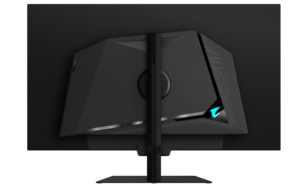
Gigabyte Aorus Elite FO32U24G
A high-performance 31.5-inch Tandem WOLED monitor featuring instantaneous 4K 240Hz and 1080p 480Hz switching backed by dedicated hardware controls and DisplayPort 2.1 connectivity.
Mizex Comparative Audit Verdict
5-Pillar Engineering Telemetry
Detailed comparison across standardized normalized 1.0 – 5.0 engineering pillars.
Sony INZONE M10S II: Strengths & Caveats
- Industry-leading 540 Hz refresh rate for ultra-smooth competitive gaming
- Superior OLED color accuracy and deep black levels
- Silent passive thermal design with no fan noise
- Limited stand adjustability compared to ergonomic alternatives
- Premium pricing reflects niche high-refresh-rate availability
Gigabyte Aorus Elite FO32U24G: Strengths & Caveats
- Instant dual-mode switching between 4K 240Hz visual fidelity and 1080p 480Hz competitive esports response
- High-luminance 4th-generation Tandem WOLED reaching 1,500 nits peak HDR brightness with RealBlack Glossy finish
- High-bandwidth DisplayPort 2.1 and HDMI with eARC connectivity alongside dedicated physical KVM and Tactical Switch buttons
- Factory color accuracy with Delta E < 2 and 99.5% DCI-P3 coverage
- Internal acoustic profile and sustained thermal dissipation sub-assembly metrics pending retail physical teardown
- Glossy panel treatment requires controlled ambient lighting to minimize reflections
Technical Specification Comparison
Side-by-side spec alignment. Rows highlighted with subtle shading denote differing specifications.
| Specification | Sony INZONE M10S II | Gigabyte Aorus Elite FO32U24G |
|---|---|---|
| Brand DIFF | Sony | Gigabyte |
| Model DIFF | Sony INZONE M10S II | Gigabyte Aorus Elite FO32U24G |
| Screen Size Inches DIFF | 27 | — |
| Resolution DIFF | QHD (1440p) | — |
| Panel Type DIFF | OLED | Tandem WOLED (4th generation LG Display) |
| Refresh Rate Hz DIFF | 540 | — |
| Response Time Us DIFF | N/A | — |
| Screen Size DIFF | — | 31.5-inch |
| Surface Treatment DIFF | — | RealBlack Glossy |
| Native Resolution DIFF | — | 3840 x 2160 (4K UHD) |
| Native Refresh Rate DIFF | — | 240 Hz |
| Dual Mode Resolution DIFF | — | 1920 x 1080 (Full HD) |
| Dual Mode Refresh Rate DIFF | — | 480 Hz |
| Response Time DIFF | — | 0.03 ms GtG |
| Contrast Ratio DIFF | — | 1,500,000:1 |
| Peak Brightness DIFF | — | 1,500 nits (HDR) |
| Hdr Certification DIFF | — | VESA DisplayHDR True Black 500 |
| Color Depth DIFF | — | 10-bit |
| Color Gamut Coverage DIFF | — | 99.5% DCI-P3, 84% BT.2020 |
| Color Accuracy DIFF | — | Delta E < 2 |
| Variable Refresh Rate DIFF | — | NVIDIA G-Sync Compatible, AMD FreeSync Premium Pro |
| Video Inputs DIFF | — | DisplayPort 2.1, HDMI with eARC support |
| Kvm Switch DIFF | — | Integrated hardware KVM with dedicated physical button |
| Control Switch DIFF | — | Tactical Switch 2.0 dedicated physical button for dual-mode switching |
| Panel Protection DIFF | — | AI OLED Care Pro |
Need to evaluate a different configuration?
🔍 Compare Other Hardware