QNAP QSW-M5218P-6F12T vs TP-Link Archer 8 Ultra
Standardized 5-pillar engineering audit, thermal telemetry, verified longevity metrics, and complete technical specification diff.
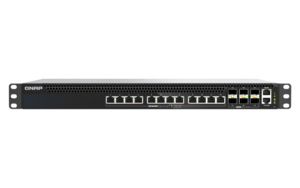
QNAP QSW-M5218P-6F12T
Dense 18-port L3 Lite multi-gigabit switch pairing twelve 10GbE PoE ports with six 25GbE SFP28 uplinks for demanding network backbones.
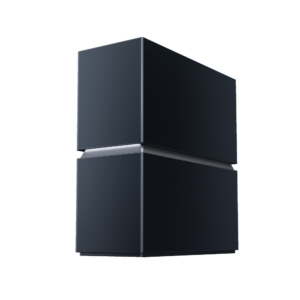
TP-Link Archer 8 Ultra
Pioneering Wi-Fi 8 desktop router delivering 19 Gbps tri-band throughput and 10 Gbps wired connectivity, offset by early-adopter premiums and launch unavailability in the US.
Mizex Comparative Audit Verdict
5-Pillar Engineering Telemetry
Detailed comparison across standardized normalized 1.0 – 5.0 engineering pillars.
QNAP QSW-M5218P-6F12T: Strengths & Caveats
- High-density multi-gigabit connectivity with twelve 10GbE RJ45 ports and six 25GbE SFP28 uplinks
- 540 Gbps switching capacity capable of handling intensive AV-over-IP, NAS, and virtualization workloads
- Integrated PoE capability allows power and multi-gigabit data delivery over single cable runs
- Enterprise-grade network stability features including MC-LAG redundancy and IEEE 1588v2 PTP time synchronization
- Limited to L3 Lite static routing rather than full enterprise-grade dynamic Layer 3 routing protocols
- Full-load acoustic noise and component thermal benchmarks are pending physical retail teardown verification
TP-Link Archer 8 Ultra: Strengths & Caveats
- First consumer router to implement the next-generation Wi-Fi 8 (802.11bn) wireless standard
- Massive 19 Gbps aggregate wireless throughput supported by tri-band operation
- Clean monolithic enclosure housing an integrated array of 18 internal antennas
- High-bandwidth 10 Gbps wired network interface
- Unavailable in the US market at launch due to an ongoing FCC freeze and regulatory restrictions
- Full 19 Gbps wireless potential is currently gated by the absence of consumer Wi-Fi 8 client devices
- Unspecified port distribution for whether 10 Gbps wired connectivity spans both WAN and LAN or is limited to LAN
Technical Specification Comparison
Side-by-side spec alignment. Rows highlighted with subtle shading denote differing specifications.
| Specification | QNAP QSW-M5218P-6F12T | TP-Link Archer 8 Ultra |
|---|---|---|
| Brand DIFF | QNAP | TP-Link |
| Model DIFF | QSW-M5218P-6F12T | Archer 8 Ultra |
| Total Ports DIFF | 18 | — |
| RJ45 Ports DIFF | 12 x 10GbE | — |
| SFP Uplink Ports DIFF | 6 x 25GbE SFP28 | — |
| Switching Capacity DIFF | 540 Gbps | — |
| PoE Support DIFF | Integrated PoE | — |
| Management Layer DIFF | L3 Lite Managed | — |
| Routing Capabilities DIFF | IPv4 / IPv6 static routing, inter-VLAN routing, DHCP server | — |
| High Availability DIFF | MC-LAG | — |
| Precision Timing DIFF | IEEE 1588v2 PTP | — |
| Hardware Category DIFF | Networking & Routers | — |
| Model Number DIFF | — | BN19000 |
| Alternative Model Name DIFF | — | Archer BN800 |
| Device Category DIFF | — | Networking & Routers |
| Wireless Standard DIFF | — | Wi-Fi 8 (IEEE 802.11bn) |
| Frequency Bands DIFF | — | Tri-band |
| Aggregate Wireless Throughput DIFF | — | 19 Gbps |
| Antenna Configuration DIFF | — | 18 internal antennas |
| Wired Connectivity DIFF | — | 10 Gbps Ethernet |
| Form Factor DIFF | — | Desktop Router |
Need to evaluate a different configuration?
🔍 Compare Other Hardware