Lenovo Ruitian 14X (2026) vs Acer Aspire 14 AI
Standardized 5-pillar engineering audit, thermal telemetry, verified longevity metrics, and complete technical specification diff.
Featherweight 14-inch ultraportable pairing a vibrant 2.8K 120 Hz IPS display with Intel Core 5 processing and dedicated 16 TOPS AI acceleration.
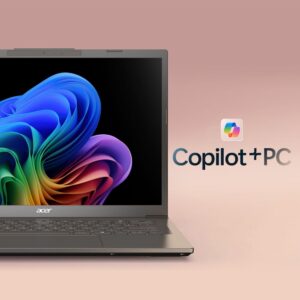
Efficient Lunar Lake ultra-portable delivering exceptional 14-hour endurance and whisper-quiet thermals, offset by entry-level display color accuracy and hybrid plastic construction.
Mizex Comparative Audit Verdict
5-Pillar Engineering Telemetry
Detailed comparison across standardized normalized 1.0 – 5.0 engineering pillars.
Lenovo Ruitian 14X (2026): Strengths & Caveats
- Ultra-lightweight 1.05 kg chassis delivers outstanding mobility
- Vibrant 14-inch 2.8K IPS display with a fluid 120 Hz refresh rate
- Dedicated 16 TOPS NPU accelerates local AI productivity workloads
- Modest 12 GB memory configuration restricts heavy multitasking headroom
- Integrated graphics unsuitable for demanding modern 3D gaming
Acer Aspire 14 AI: Strengths & Caveats
- Long battery life delivering over 14 hours of continuous operation on a single charge
- Strong performance-per-watt efficiency and modern AI acceleration via Intel Lunar Lake
- Whisper-quiet acoustic profile measuring just 38.3 dB under sustained synthetic load
- Sturdy aluminum display lid with 180-degree lay-flat hinge
- Budget IPS display with narrow color reproduction (55.2% sRGB) and modest 300-nit brightness
- Plastic middle deck and baseplate reduce perceived chassis rigidity
- Non-uniform clickpad tactile feedback and omission of a physical webcam privacy shutter
Technical Specification Comparison
Side-by-side spec alignment. Rows highlighted with subtle shading denote differing specifications.
| Specification | Lenovo Ruitian 14X (2026) | Acer Aspire 14 AI |
|---|---|---|
| Brand DIFF | Lenovo | Acer |
| Model DIFF | Ruitian 14X (2026) | Aspire 14 AI |
| Processor DIFF | Intel Core 5 320 | — |
| Cpu Cores DIFF | 6 | — |
| Cpu Threads DIFF | 6 | — |
| Cpu Max Frequency DIFF | 4.6 GHz | — |
| Npu Performance DIFF | 16 TOPS | 48 TOPS |
| Display Size DIFF | 14-inch | — |
| Display Panel Type DIFF | IPS | — |
| Display Resolution DIFF | 2.8K (2880 x 1800) | — |
| Display Refresh Rate DIFF | 120 Hz | — |
| Ram DIFF | 12 GB | — |
| Storage DIFF | 512 GB SSD | — |
| Graphics DIFF | Integrated graphics | — |
| Weight DIFF | 1.05 kg (2.31 lbs) | 1.4 kg (3.09 lbs) |
| Tdp DIFF | 28 W | — |
| Model Number DIFF | — | A14-52 / N24Q14 |
| Cpu Architecture DIFF | — | Intel Lunar Lake (3 nm) |
| Processor Options DIFF | — | Intel Core Ultra 5 226V, Intel Core Ultra 7 256V, Intel Core Ultra 7 258V, Intel Core Ultra 9 288V |
| Core Configuration DIFF | — | 8 cores (4 Performance + 4 Efficient), 8 threads |
| Cpu Clocks DIFF | — | 2.1 GHz base, 4.5 GHz turbo |
| Cache DIFF | — | 8 MB L3 |
| Integrated Gpu DIFF | — | Intel Arc Graphics 130V (1850 MHz boost, 30 W TGP) |
| Memory Options DIFF | — | 16 GB, 32 GB on-package LPDDR5X |
| Storage Options DIFF | — | 256 GB, 512 GB, 1024 GB NVMe SSD |
| Display Panel DIFF | — | 14.0" IPS LCD, 1920 x 1200 (16:10), 60 Hz, Matte |
| Display Brightness DIFF | — | 300 nits |
| Display Contrast Ratio DIFF | — | 1040:1 |
| Color Gamut Coverage DIFF | — | 55.2% sRGB, 38.1% Adobe RGB, 36.8% DCI-P3 |
| Display Response Time DIFF | — | 17 ms |
| Screen To Body Ratio DIFF | — | ~79.2% |
| Chassis Materials DIFF | — | Aluminum top cover, plastic middle frame, plastic bottom cover |
| Hinge Opening Angle DIFF | — | 180° |
| Cooling System DIFF | — | Active cooling with 1 fan |
| Acoustic Noise Load DIFF | — | 38.3 dB |
| Battery Capacity DIFF | — | 65 Wh Lithium-Polymer |
| Charging Power DIFF | — | 65 W USB Power Delivery |
| Dimensions DIFF | — | 318.9 x 225.1 x 11.8 - 16.9 mm |
| Ac Adapter Weight DIFF | — | 318 g (11.2 oz) |
Need to evaluate a different configuration?
🔍 Compare Other Hardware