Helilyco UPS301 vs Anker SOLIX C1000 Gen 2
Standardized 5-pillar engineering audit, thermal telemetry, verified longevity metrics, and complete technical specification diff.
A compact 27W inline DC backup delivering seamless zero-millisecond router failover, compromised by sealed non-replaceable cells and continuous float voltage wear.
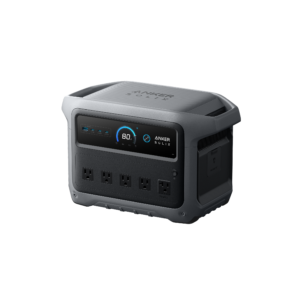
A powerful 2,000 W portable power station with rapid 1,600 W AC charging and durable LiFePO4 cells, tempered by loud active cooling fans and the removal of modular battery expansion.
Mizex Comparative Audit Verdict
5-Pillar Engineering Telemetry
Detailed comparison across standardized normalized 1.0 – 5.0 engineering pillars.
Helilyco UPS301: Strengths & Caveats
- Seamless zero-millisecond DC cutover prevents router and modem reboot cycles during outages
- Dedicated dual 12V and single 9V DC output rails support multi-device networking setups
- Compact footprint at 4.33 x 2.87 x 0.98 in (110 x 73 x 25 mm) integrates cleanly into cramped network shelves
- Ultrasonically sealed chassis prevents battery replacement once internal 18650 cells degrade
- Lack of configurable float voltage keeps cells continuously at maximum charge potential
- 27W total maximum power envelope limits compatibility with high-draw Wi-Fi 6E/7 multi-band gateways
Anker SOLIX C1000 Gen 2: Strengths & Caveats
- High continuous output of 2,000 W with 3,000 W surge capability
- Ultra-fast 1,600 W AC input enables full recharge in under one hour
- Long-lifespan LiFePO4 battery chemistry with 1,024 Wh capacity
- Reduced chassis weight of 25.2 lbs (11.3 kg) enhances field portability
- Loud cooling fan noise during sustained load and fast charging
- Expansion battery port removed, eliminating external pack support
- Integrated chassis LED light bar has been omitted
Technical Specification Comparison
Side-by-side spec alignment. Rows highlighted with subtle shading denote differing specifications.
| Specification | Helilyco UPS301 | Anker SOLIX C1000 Gen 2 |
|---|---|---|
| Model DIFF | Helilyco UPS301 | SOLIX C1000 Gen 2 |
| Battery Capacity DIFF | 7800 mAh / 28.86 Wh (3x 2600 mAh 18650 Lithium-ion Cells) | 1,024 Wh |
| Total Output Power DIFF | 27W Maximum | — |
| DC Output Ports DIFF | 2x 12V DC (up to 2A each), 1x 9V DC (up to 1A) | — |
| DC Input Rating DIFF | 12V DC / 3A (5.5 x 2.1 mm Barrel Jack) | — |
| Transfer Time DIFF | 0 ms (Direct Inline DC Buffer) | — |
| Estimated Backup Runtime DIFF | 4 to 6 Hours (typical 6W to 10W network load) | — |
| Recharge Duration DIFF | Approx. 5.5 Hours | — |
| Capacity Indicator DIFF | 4-Stage LED State-of-Charge Display | — |
| Chassis Material DIFF | ABS Thermoplastic | — |
| Dimensions DIFF | 4.33 x 2.87 x 0.98 in (110 x 73 x 25 mm) | — |
| Weight DIFF | 7.41 oz (210 g) | 25.2 lbs (11.3 kg) |
| Brand DIFF | — | Anker |
| Battery Chemistry DIFF | — | LiFePO4 |
| Continuous AC Output DIFF | — | 2,000 W |
| Surge Power Output DIFF | — | 3,000 W |
| Standard AC Input DIFF | — | 1,200 W |
| Ultra Fast AC Input DIFF | — | 1,600 W |
| Recharge Time DIFF | — | Under 1 hour |
| Display DIFF | — | LCD display |
| Battery Expansion Support DIFF | — | No |
| Integrated LED Light DIFF | — | No |
Need to evaluate a different configuration?
🔍 Compare Other Hardware