ASUS ROG Xbox Ally X20 OLED vs GPD Win Max 3
Standardized 5-pillar engineering audit, thermal telemetry, verified longevity metrics, and complete technical specification diff.
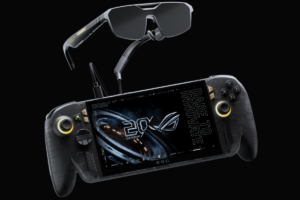
Flagship handheld architecture featuring the AMD Ryzen AI Z2 Extreme, TMR magnetic thumbsticks, and a stunning 120Hz OLED, offset primarily by its heavier chassis.
A highly capable handheld gaming PC that delivers console-level performance with robust engineering, though acoustic output is significant under load.
Mizex Comparative Audit Verdict
5-Pillar Engineering Telemetry
Detailed comparison across standardized normalized 1.0 – 5.0 engineering pillars.
ASUS ROG Xbox Ally X20 OLED: Strengths & Caveats
- 7.4-inch 120Hz OLED panel with 1,400 nits peak HDR brightness and FreeSync Premium Pro
- Equipped with AMD Ryzen AI Z2 Extreme, 24 GB LPDDR5X RAM, and 1 TB PCIe 4.0 SSD
- Drift-resistant TMR (Tunneling Magnetoresistive) sensor thumbsticks
- High-capacity 80 Wh battery supporting demanding portable workloads
- Substantial 756-gram unit weight increases fatigue during extended handheld sessions
GPD Win Max 3: Strengths & Caveats
- Delivers console-level gaming performance with high frame rates in demanding titles like Apex Legends and Forza Horizon 5.
- Features a premium aluminum chassis that is durable and highly portable for travel.
- Includes Thunderbolt 3 connectivity and Gigabit Ethernet for versatile external display and network options.
- Acoustic noise levels increase significantly during high-performance gaming sessions due to dense internal component layout.
- Battery life is constrained by the high power draw of the integrated graphics solution under load.
- Thermal performance relies on aggressive fan curves that may disturb users in quiet environments.
Technical Specification Comparison
Side-by-side spec alignment. Rows highlighted with subtle shading denote differing specifications.
| Specification | ASUS ROG Xbox Ally X20 OLED | GPD Win Max 3 |
|---|---|---|
| Brand DIFF | ASUS | GPD |
| Model DIFF | ASUS ROG Xbox Ally X20 OLED | GPD Win Max 3 |
| Processor DIFF | AMD Ryzen AI Z2 Extreme (8 cores, 16 threads) | — |
| System Memory DIFF | 24 GB LPDDR5X | — |
| Storage DIFF | 1 TB PCIe 4.0 NVMe SSD | — |
| Display DIFF | 7.4-inch Full HD OLED (Nebula HDR Display) | — |
| Refresh Rate DIFF | 120 Hz | — |
| Response Time DIFF | 0.2 ms | — |
| Peak Brightness DIFF | 1,400 nits HDR (600 nits SDR) | — |
| HDR Certification DIFF | VESA DisplayHDR 1000 | — |
| Variable Refresh Rate DIFF | AMD FreeSync Premium Pro | — |
| Cover Glass DIFF | Corning Gorilla Glass with DXC coating | — |
| Thumbstick Mechanism DIFF | TMR (Tunneling Magnetoresistive) sensors | — |
| Chassis Material DIFF | Translucent black plastic | — |
| Battery Capacity DIFF | 80 Wh | — |
| Weight DIFF | 756 g (26.7 oz) | — |
| Processor DIFF | — | AMD Ryzen AI Max+ 395 / AMD Ryzen AI Max+ 388 |
| Graphics DIFF | — | AMD Radeon 8060S |
| Display Resolution DIFF | — | 1920x1200 |
| Battery Capacity DIFF | — | 55Wh |
| Connectivity DIFF | — | Thunderbolt 3, Gigabit Ethernet |
| Storage Type DIFF | — | NVMe/PCIe SSD |
Need to evaluate a different configuration?
🔍 Compare Other Hardware