Acer Googlebook 14 vs XMG Pro 16 (M25)
Standardized 5-pillar engineering audit, thermal telemetry, verified longevity metrics, and complete technical specification diff.
A lightweight 2-in-1 convertible pairing Intel Panther Lake architecture, robust Titan C2 security, and a vibrant 2.8K 120 Hz OLED panel, tempered only by a legacy mechanical trackpad.
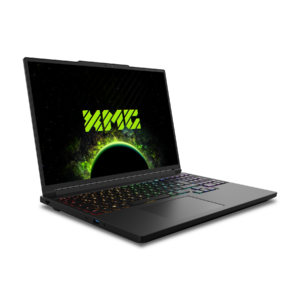
High-performance 16-inch workstation laptop featuring an unconstrained 140W RTX 5070 Ti and Intel Core Ultra 9 275HX silicon.
Mizex Comparative Audit Verdict
5-Pillar Engineering Telemetry
Detailed comparison across standardized normalized 1.0 – 5.0 engineering pillars.
Acer Googlebook 14: Strengths & Caveats
- Only convertible 2-in-1 with a 360-degree hinge in the launch Googlebook portfolio
- Vibrant 14-inch 2.8K 120 Hz OLED panel with 100% DCI-P3 coverage and USI 2.0 pen support
- Substantial 71 Wh battery housed within an ultra-light 2.51 lb chassis
- Modern connectivity suite featuring Intel Panther Lake architecture, 47 TOPS NPU, and Wi-Fi 7
- Retains a mechanical clickpad instead of the advanced haptic trackpads found on competing models
- Soldered LPDDR5X system memory limits post-purchase upgradeability
XMG Pro 16 (M25): Strengths & Caveats
- Unrestricted 140W maximum TGP power envelope for the GeForce RTX 5070 Ti GPU
- High-performance Intel Core Ultra 9 275HX enthusiast mobile processor
- 16-inch chassis engineered for sustained high-wattage power delivery
- Substantial thermal dissipation requirements under simultaneous high CPU and GPU workloads
- Final acoustic noise levels and load temperature metrics pending retail physical teardown
Technical Specification Comparison
Side-by-side spec alignment. Rows highlighted with subtle shading denote differing specifications.
| Specification | Acer Googlebook 14 | XMG Pro 16 (M25) |
|---|---|---|
| Brand DIFF | Acer | XMG |
| Model DIFF | Acer Googlebook 14 | XMG Pro 16 (M25) |
| Form Factor DIFF | 2-in-1 Convertible (360-degree hinge) | — |
| Display DIFF | 14.0-inch 2.8K (2880 x 1800) OLED, 120 Hz, 16:10, 100% DCI-P3 | — |
| Digitizer DIFF | USI 2.0 stylus protocol | — |
| Processor DIFF | Intel Core Ultra 5 325 / Core Ultra 7 355 (Series 3 / Panther Lake) | — |
| Npu Throughput DIFF | Up to 47 TOPS | — |
| Memory DIFF | 16 GB / 32 GB LPDDR5X | — |
| Storage DIFF | 256 GB / 512 GB PCIe NVMe SSD | — |
| Battery DIFF | 71 Wh with fast charging support | — |
| Battery Runtime DIFF | Up to 16 hours web browsing / 14 hours video playback | — |
| Ports DIFF | 3x USB Type-C (1x Thunderbolt 4), 3.5 mm combo audio jack | — |
| Wireless DIFF | Wi-Fi 7, Bluetooth | — |
| Security DIFF | Google Titan C2 Security Chip, Fingerprint Reader | — |
| Audio DIFF | Stereo speakers, Dolby Atmos | — |
| Keyboard DIFF | Backlit keyboard with 1.3 mm key travel | — |
| Weight DIFF | 2.51 lbs (1.18 kg) | — |
| Operating System DIFF | Aluminium OS (Googlebook OS) | — |
| Form Factor DIFF | — | 16-inch Laptop |
| Processor DIFF | — | Intel Core Ultra 9 275HX |
| Graphics Processing Unit DIFF | — | NVIDIA GeForce RTX 5070 Ti Laptop GPU |
| Graphics Subsystem TGP DIFF | — | 140W (including Dynamic Boost) |
Need to evaluate a different configuration?
🔍 Compare Other Hardware